Chow Sang Sang has sold gold since 1934 and is one of the names that treats gold the way it should be treated — as a material with a published purity and weight, priced accordingly. For a buyer who wants jewellery that doubles as a store of value, that transparency is the whole point.
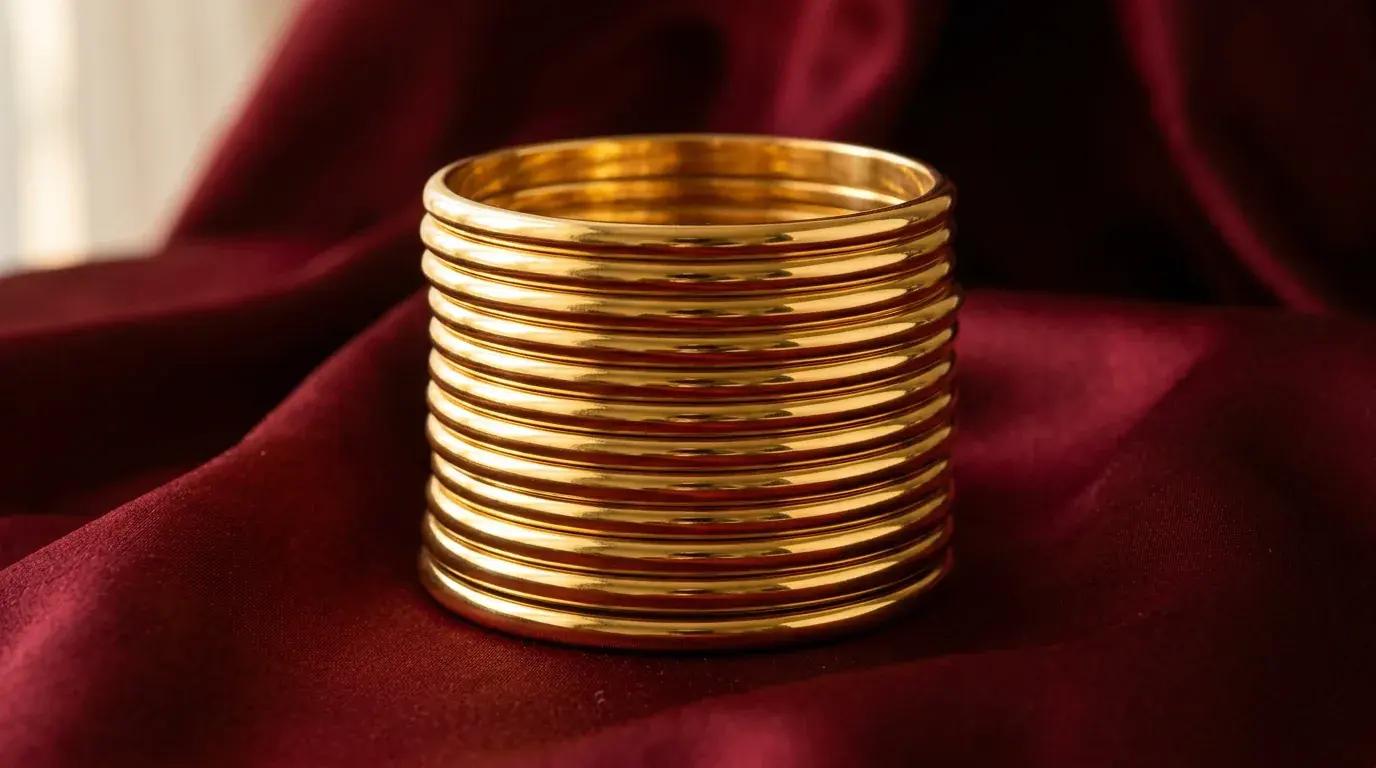
999.9 gold is 24-karat — as pure as commercially sold gold gets. It has the deep, unmistakable colour people associate with 'real' gold and carries minimal markup over the metal's intrinsic value on weight-priced pieces. The trade-off is softness: 24k scratches and bends more easily, so it suits necklaces, ingots and occasion pieces more than everyday rings.
The range spans wearable jewellery, gift pieces, and investment-oriented gold ingots that are essentially bullion in a giftable form. For the difference between this and the plated pieces sold elsewhere, see our solid-gold-versus-plated explainer — it is the foundation for buying here sensibly.
Diamond pieces sit alongside the gold, certified and priced for the stone quality; the diamond necklace line is a good example of occasion jewellery from the house. As with watches, buy the certification and the material, not the marketing.
Weight-priced versus design-priced, and why it changes everything
There are two entirely different ways a gold piece can be sold, and confusing them is the most expensive mistake available in a gold shop.
Weight-priced. The jeweller quotes the metal weight, the purity, the prevailing gold price and a separate making charge. You can see, line by line, what is metal and what is workmanship. Plain chains, bangles, ingots and traditional pieces are usually sold this way.
Design-priced. The piece carries a single ticket price reflecting design, brand and craftsmanship, and the metal is an input rather than the headline. Fashion-forward collections and stone-set pieces are usually sold this way, and there is nothing wrong with that — you are buying an object, not a commodity.
The mistake is buying a design-priced piece while telling yourself it is an investment, or buying a weight-priced piece while expecting it to look like the design-priced one. Decide which purchase you are making before you look at anything.
The arithmetic, with invented numbers
Every figure here is invented. They are not real gold prices, real making charges or real spreads. They exist to show the shape.
Suppose gold is 60 per gram. A 20-gram 999.9 piece has 1,200 of metal in it. Sold at 1,400, the making charge is 200, or a premium of about 17% over metal.
The same 20 grams as an intricately worked design-priced piece might sell at 2,400 — a premium of 1,200, which is 100% over metal. That is not a rip-off; intricate work in soft metal is genuinely difficult and slow. But it is a very different purchase, and if gold rose by a quarter, the first piece's value would move far more than the second's price would.
Then the exit. Say a dealer buys back at a discount to spot. On these invented numbers, if the buy-back is 90% of metal, the first piece returns 1,080 against 1,400 paid. The second returns the same 1,080 against 2,400 paid. The premium is where the money went, in both cases, and the premium is not recovered.
None of that argues against buying beautiful jewellery. It argues for knowing, before you pay, which portion of the price is metal you can get back and which portion is workmanship you cannot.
Where 24k works and where it does not
24k has a specific character: deep colour, unmistakable weight, and softness. Match the piece to the property.
It suits chains and pendants worn against clothing, bangles worn loosely, ingots and gift pieces, and occasion jewellery that spends most of its life stored.
It does not suit everyday rings, anything with a fine setting holding a stone, or a bracelet worn while typing, cooking and carrying bags. Those applications want a harder alloy, and choosing 18k for a daily ring is expertise rather than a downgrade. Our solid-gold-versus-plated guide sets out how the purities compare.
The soft-metal consequence people underestimate: 24k marks. A piece worn daily will show handling within weeks. Some buyers love that and read it as evidence the metal is real; others are dismayed. Know which you are.
Diamonds: read the report, not the description
Where a piece is stone-set, the metal is often the smaller part of the value, and the stone should be judged on its own terms.
Ask which independent laboratory graded the stone and ask to see the report rather than a summary. Grading is not perfectly consistent between laboratories, so knowing which one issued it is part of reading it. A retailer's own certificate is a statement by the seller about its own goods, which is a different kind of document.
Read the report for cut in particular. Cut is the grade most closely tied to how a diamond actually looks, and it is the one most often glossed over in favour of carat weight.
Buying across borders
Gold is one of the categories where cross-border purchase rules genuinely bite, and they vary by country in ways that no article can safely summarise.
Import duty, sales tax or VAT may be due when a piece enters your home country, and the threshold, the rate and the declaration process are all national. Some countries also have declaration requirements for carrying precious metal above a certain value. Get this from your own customs authority before you travel, not from a forum.
Two practical habits cover most situations: keep the itemised receipt showing weight, purity and price, and keep it separate from the piece. That document is what supports a customs declaration, an insurance claim, and any future resale.
Storage, insurance and paperwork
- Keep the receipt, the certificate and any hallmark documentation together and photograph them.
- Photograph the pieces themselves, including any maker's marks, in good light.
- Check whether your home insurance covers jewellery at all, and whether individual pieces above a value need to be specified.
- Ask about a safe deposit facility if you are holding weight-priced pieces you rarely wear.
- Store 24k separately and in soft pouches; it scratches against harder jewellery.
- Record the weight and purity in your own notes, so a future valuation starts from facts rather than memory.
The honest limits
Making charges are not recovered. Everything above hangs on this.
A weight-priced necklace is not bullion. If your goal is exposure to the gold price, jewellery carries a premium, a spread and a storage problem that a purpose-built product does not. Jewellery is a good way to own something beautiful that happens to hold intrinsic value. It is an inefficient way to own gold.
Price moves both ways. Gold's value is not a one-way street, and any piece bought partly as a store of value carries that risk.
Why it belongs on a luxury site about buyable things: a gold piece is one of the few 'luxury' purchases that can hold or grow in value, which is exactly the quiet-luxury discipline we apply to watches and home goods. Buy by purity and weight, keep the receipt and hallmark, and you own an object and an asset at once.
General information, not investment advice. Gold prices move, tax and import rules differ by country and change, and nothing here states a rate or a threshold because none could be verified at a dated primary source for every jurisdiction a reader might be in. Check the current position with your own customs authority and a qualified adviser before acting.