Department
Owning
The purchase price is the part everyone negotiates. This department is about everything after it: carrying costs, staffing, maintenance, and why some grand houses take years to sell.
By Thomas Lovas Lokoy, Co-founder & Editor · Updated 28 September 2026
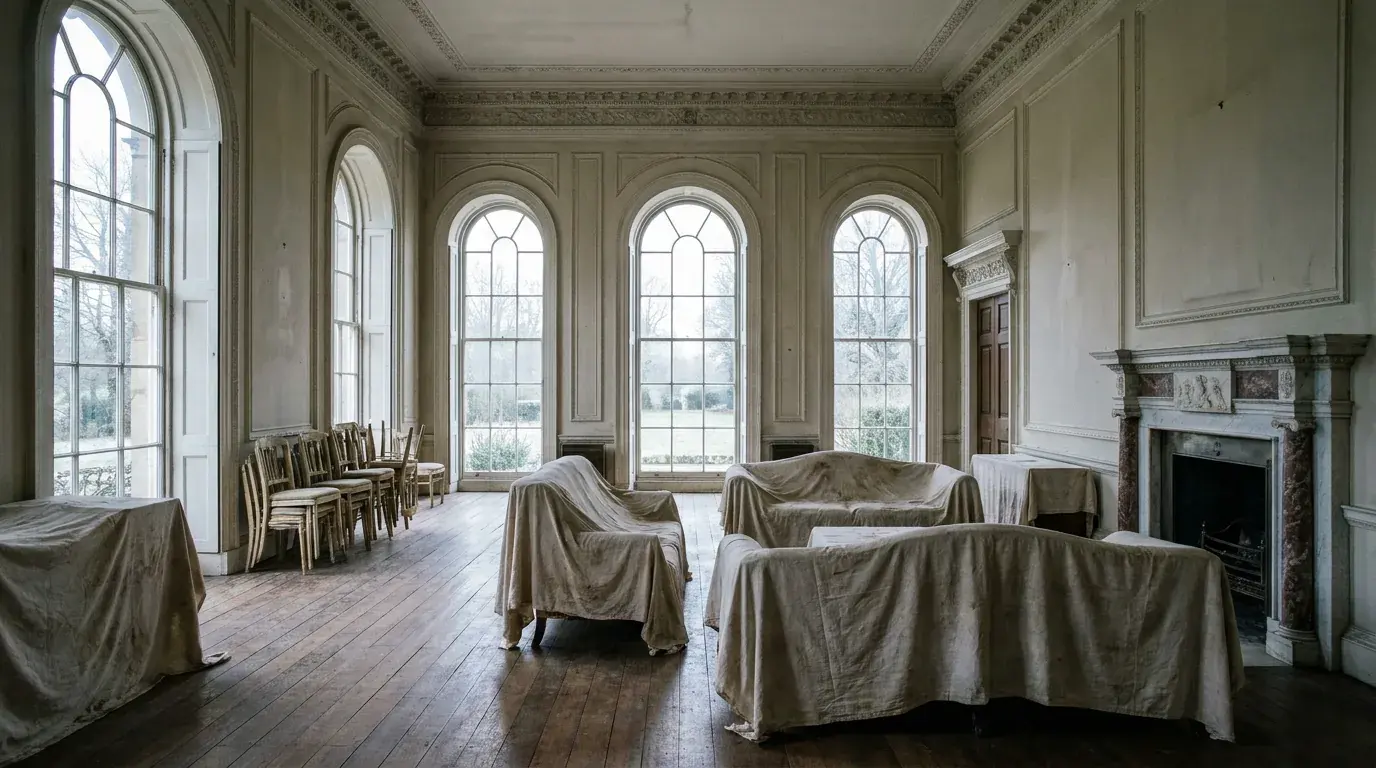
People who run large houses tend to say the same thing: the price was a decision, but the running of it is a job. Staff, insurance, plant, gardens, security and the slow work of maintenance continue whether anyone is in residence or not, and they decide what the house is really worth to its next buyer.
This department is about that job. It will not tell you what a household costs in your city — nobody can honestly do that without seeing the house — but it will tell you which lines to budget for, which questions to ask of a seller, and where owners are most often surprised. For the purchase itself, see Buying.
Start here
Owning
The Purchase Price Is the Cheap Part
Part 1 of 3. Trophy property is bought on the headline figure and owned on the annual one. What actually recurs, and why the ratio surprises first-time buyers at this level.
8 min read · Updated 2 October 2026
Everything in Owning
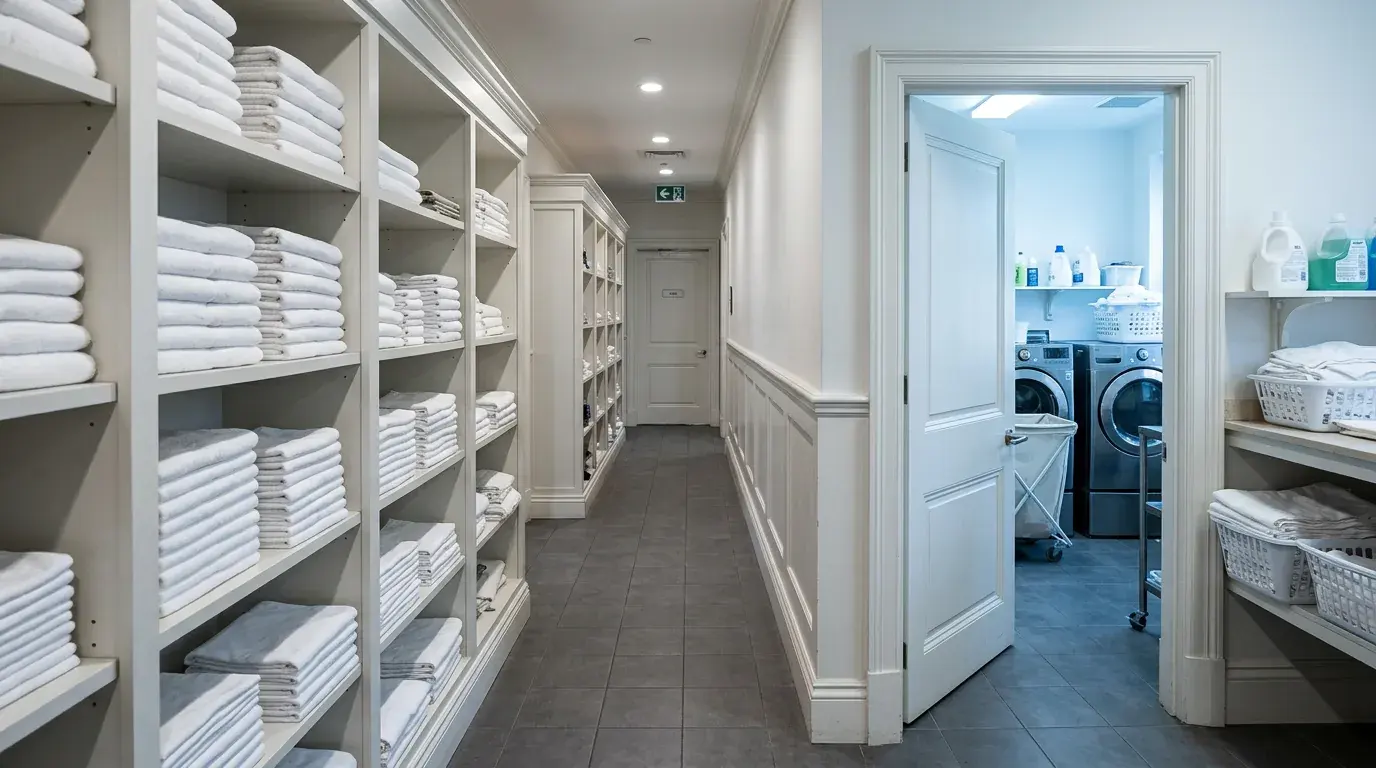
The Cost of Staffing a Trophy Estate
Past a certain scale a house becomes an operation with a payroll. The roles that appear whether you plan for them or not, why the wage is the smaller half of the cost, and the systems that must never fail.

What Carrying Cost Does to the Return You Think You Are Making
Part 3 of 3. Headline appreciation figures are gross. Once holding costs and transaction friction are subtracted, trophy property behaves very differently from how it is marketed.

Why Trophy Properties Sit Unsold for Years
Listings at the very top can run for years without a transaction. The four reasons are structural, not cosmetic — and three of them are decided before the property is ever listed.
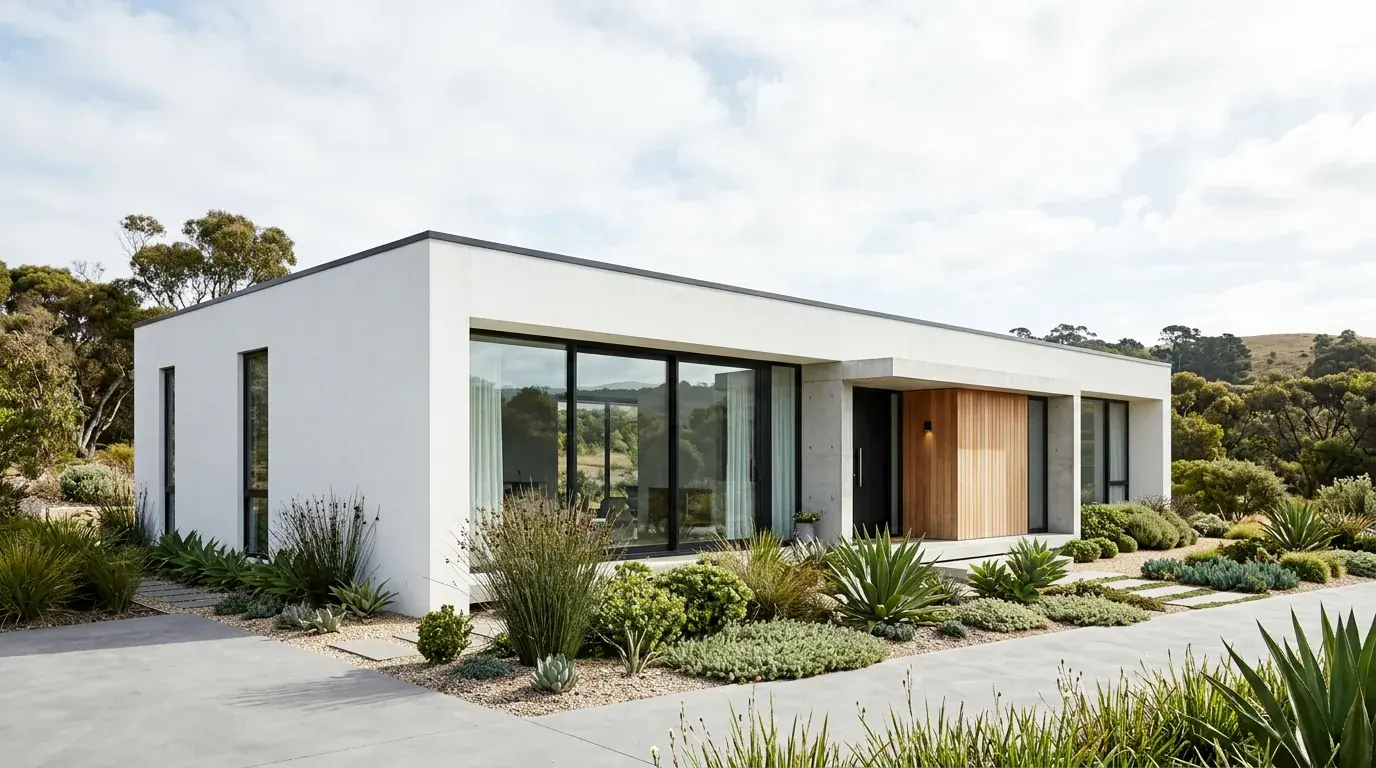
A Low-Maintenance Property Beats a Cheap One
Purchase price is paid once and negotiated hard. Running cost is paid every year and negotiated never — which makes it the number that decides what you can actually afford.
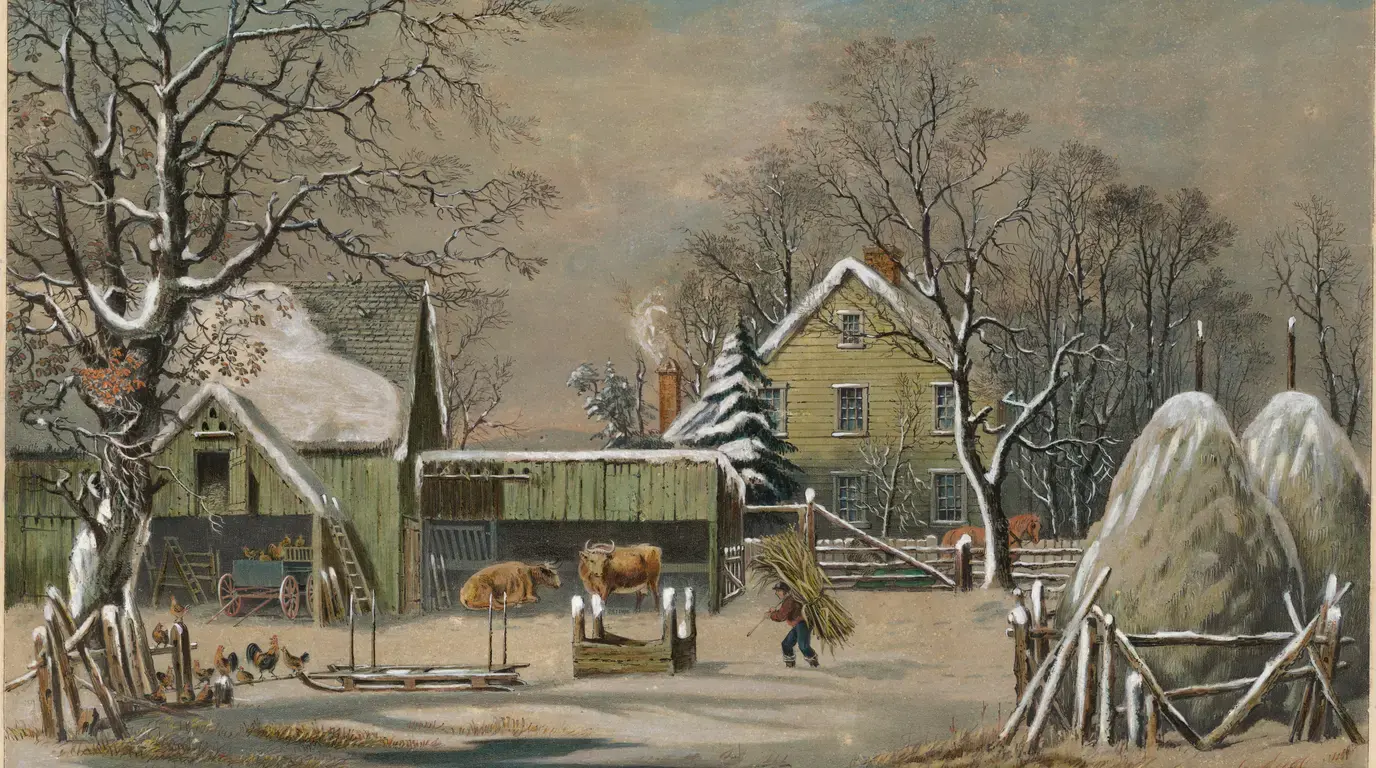
How to Winterize a Second Home: Heat, Water and Insurance Before You Lock Up
An empty house fails in winter through water. The three decisions that prevent it, heat or drain-down, monitoring, and your insurer's unoccupancy terms, and a checklist for closing up and reopening.
Tools we link to
For a house that stands empty for part of the year, small retrofit sensors and controls are a cheap first layer of oversight, a robot mower keeps the lawn while you are away, and a backup battery keeps the essentials running through a power cut. These are affiliate links: if you buy, NorwegianSpark SA may earn a commission at no extra cost to you. They never decide what we write — how we are paid.

Partner · affiliate link
SwitchBot
Small smart-home devices — switch pushers, curtain motors, locks, sensors and hubs — that retrofit without rewiring.
Making an existing house, or a let one, controllable without opening walls.

Partner · affiliate link
tado°
Smart thermostats and radiator thermostats for boilers, radiators, underfloor heating, heat pumps and air conditioning, run from a phone app (UK store).
Setting heating room by room and adjusting it remotely at a house that stands empty for part of the year.

Partner · affiliate link
Anthbot
Robot lawn mowers, sold through Anthbot's official EU store.
Keeping a lawn cut at a house that stands empty for weeks at a time.

Partner · affiliate link
BLUETTI
Portable power stations and home backup battery systems (US store).
Keeping essentials running through a power cut at a house that stands empty for part of the year.