A targeting problem, not a reach problem
Marketing a house at the top of the market is about reaching the right few people rather than the most people. The pool of buyers who can buy a given house is small and largely known to the agents who work that market, so a campaign that maximises impressions is optimising the wrong number. The question to ask of any agent or channel is not how many people will see the house, but which people — and whether the channel reaches buyers or mostly reaches other agents.
Read the listing agreement before the brochure
The agreement decides more than the marketing plan does. Settle, in writing:
- whether the instruction is sole or multi-agency, and how long it runs;
- the fee, when it is earned, and what happens if the buyer arrives through someone you introduced;
- what happens at the end of the term — many agreements keep a fee alive for buyers introduced during it;
- who owns the photography and film. Commissioning imagery and licensing it are different arrangements, and the difference matters if you change agent.
Photography is the first viewing
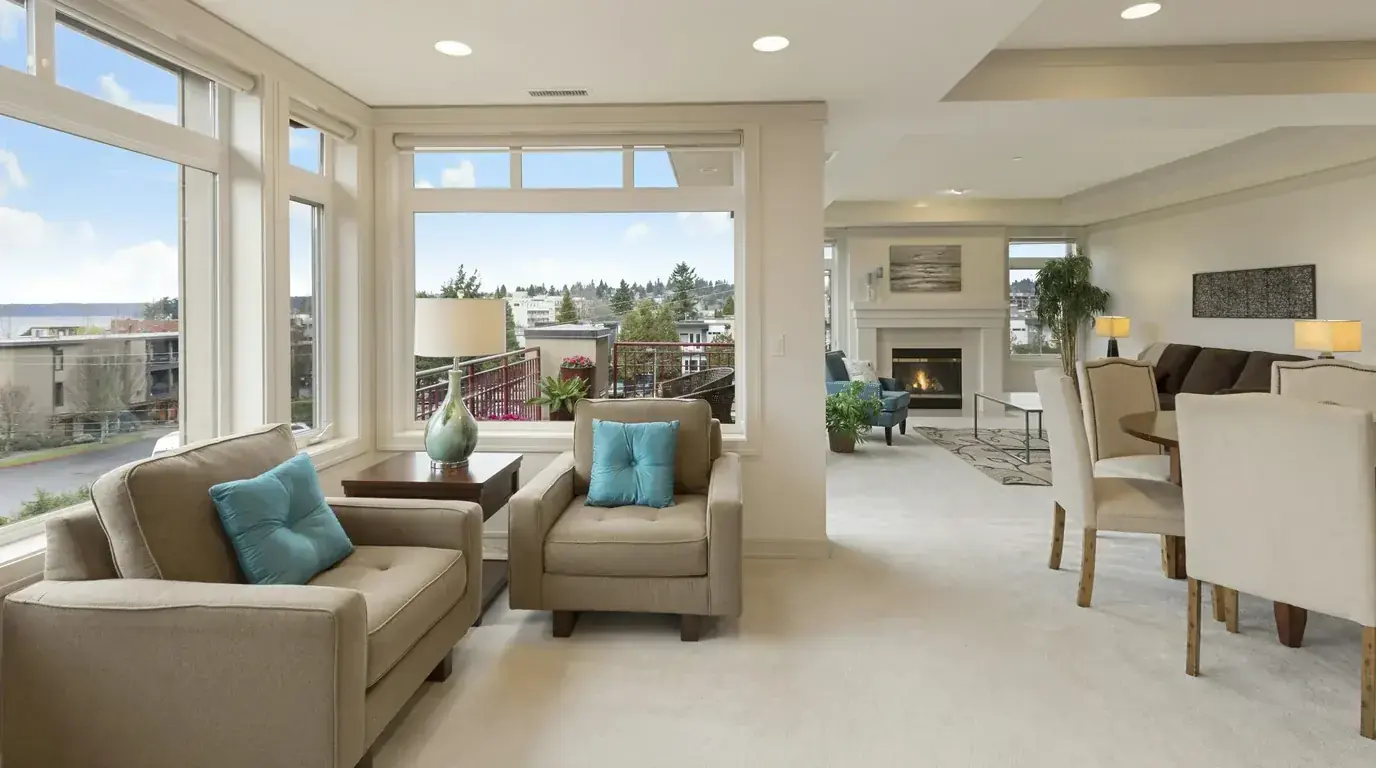
For most buyers the first viewing now happens on a screen, and a house that photographs badly is discounted before anyone visits. Professional photography, a measured floor plan and a short film are the highest-leverage spend in a sale. Shoot in the season and light the house is best in, and remove what makes a room personal rather than what makes it lived-in.
Staging, real and virtual
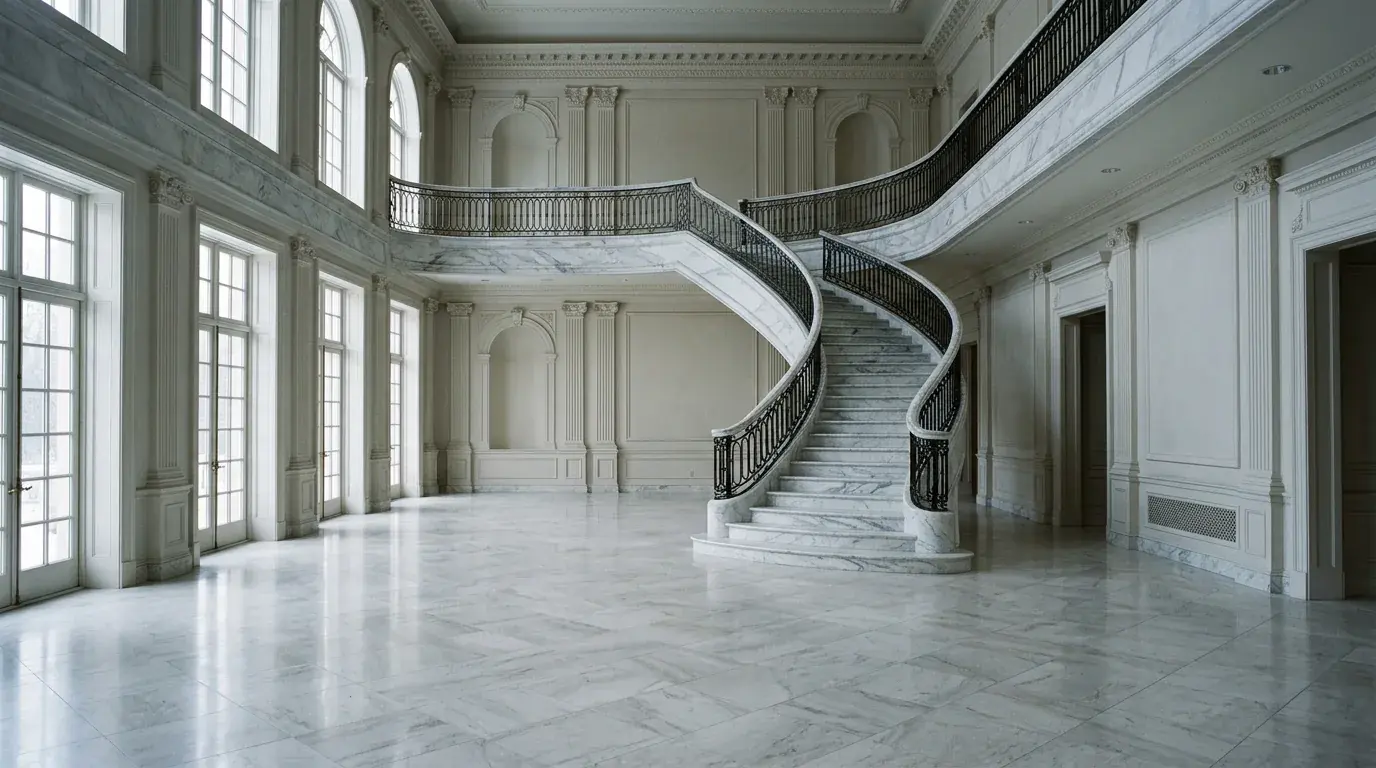
An empty room is hard to read; a room furnished for someone else's taste is harder. Virtual staging — furnishing photographs of empty rooms digitally — is now common and cheap, but it must be labelled as such: a buyer who arrives expecting furniture that was never there has been misled, and in some jurisdictions that can create liability for the seller or agent. A 3D plan of how the space could be used is often more persuasive, and entirely honest.
Discreet or open
Some sellers prefer a quiet sale without public advertising. It protects privacy and avoids a "stale" listing, but it narrows the market and usually weakens price discovery. Our piece on off-market property sets out the trade-off, and why trophy homes sit unsold explains what happens when the price and the market disagree.