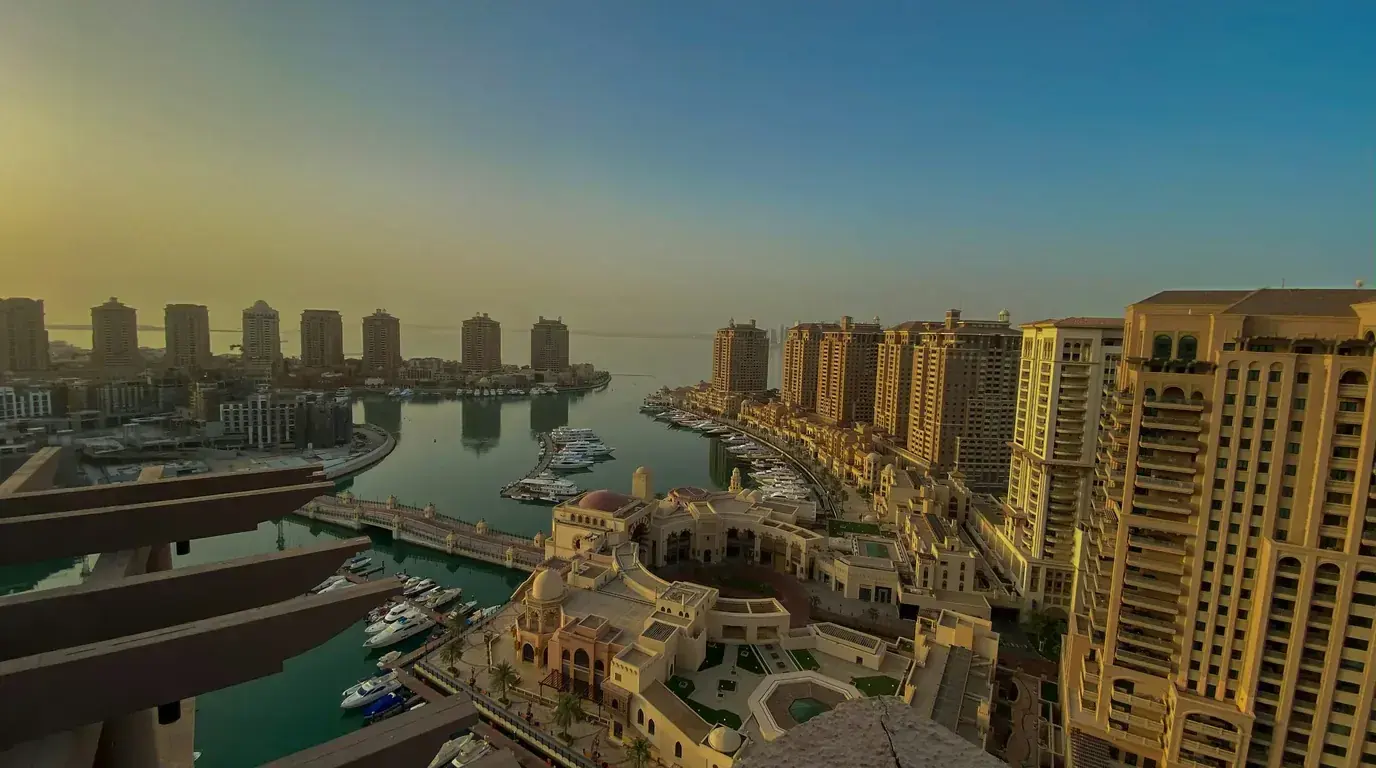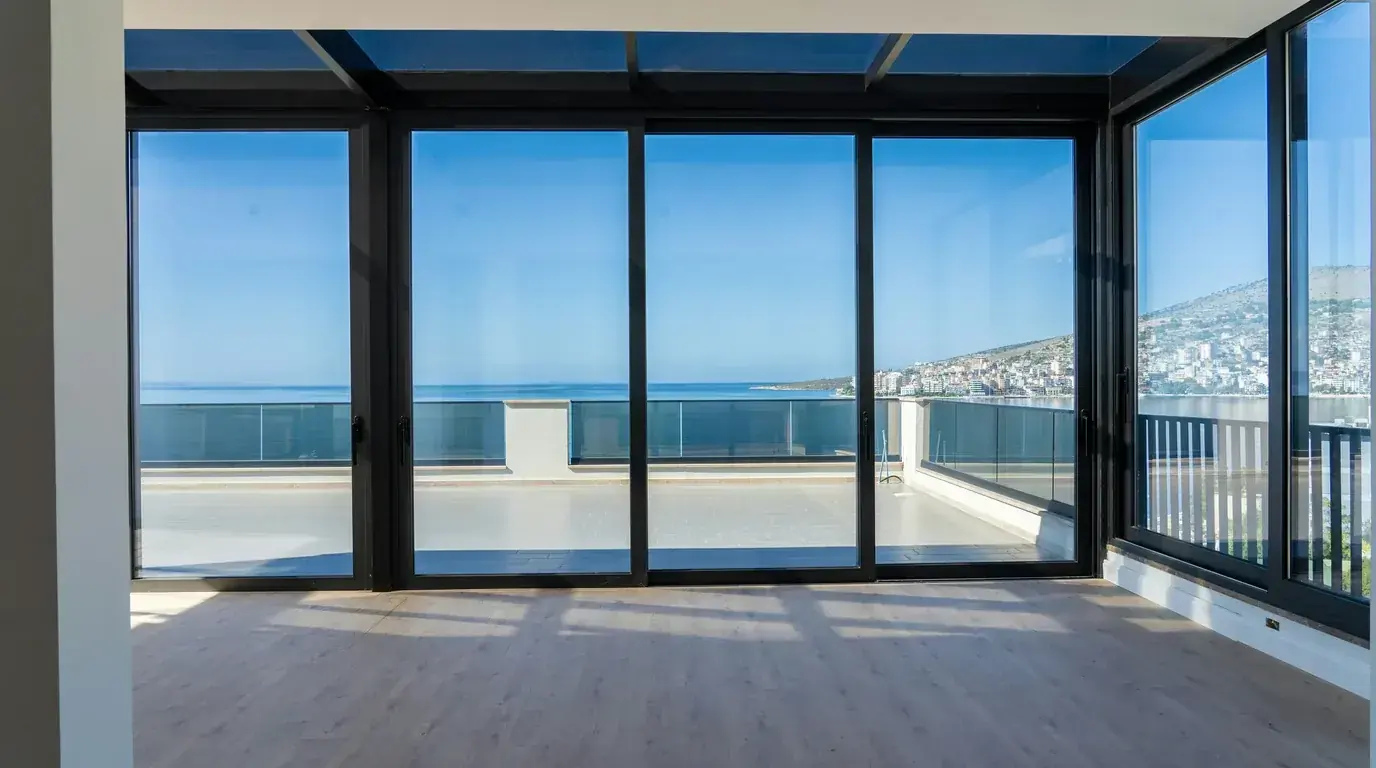
The house and the water are separate assets
Buyers of waterfront homes often assume the water comes with the land. Usually it does not. The seabed, the foreshore, a mooring and a marina berth are commonly owned, licensed or regulated separately from the house — sometimes by a different authority on a different timetable. A jetty, a mooring buoy, dredging or even a slipway may each need its own consent. Before you pay for the view, ask the seller's lawyer for the written basis of every right the listing implies.
Berth, mooring or anchorage
- A marina berth is usually a contract with the marina operator — owned outright, leased for a term or rented by the season. Read who may use it, whether it transfers with the house, and what the annual charges cover.
- A private mooring in front of the house normally needs a licence from the harbour or maritime authority, renewed on its terms, not yours.
- Anchoring is free in many places and restricted in more of them every year, particularly over protected seagrass and in busy bays.
The coast is regulated
Coastal building rules are often stricter than inland ones. On the whole of the Malibu coast, for example, development — including changes in the intensity of use of land or water — needs a coastal development permit (California Coastal Commission). Similar regimes exist around the Mediterranean. If the plan includes a boathouse, a sea wall or a new pontoon, price the consent before the construction.
What the boat costs
A yacht's running costs — crew, insurance, berthing, maintenance, refit, fuel — continue whether or not it leaves the marina, and they scale with length and ambition rather than use. We do not publish a percentage rule of thumb for them because we cannot source one honestly; our superyacht ownership piece explains which lines to budget and which questions to put to a manager.
Where to read next
The dossiers for Monaco, the French Riviera, Mallorca and Ibiza and Miami cover the purchase rules in the coastal markets where yachts and homes most often go together.