The market in brief
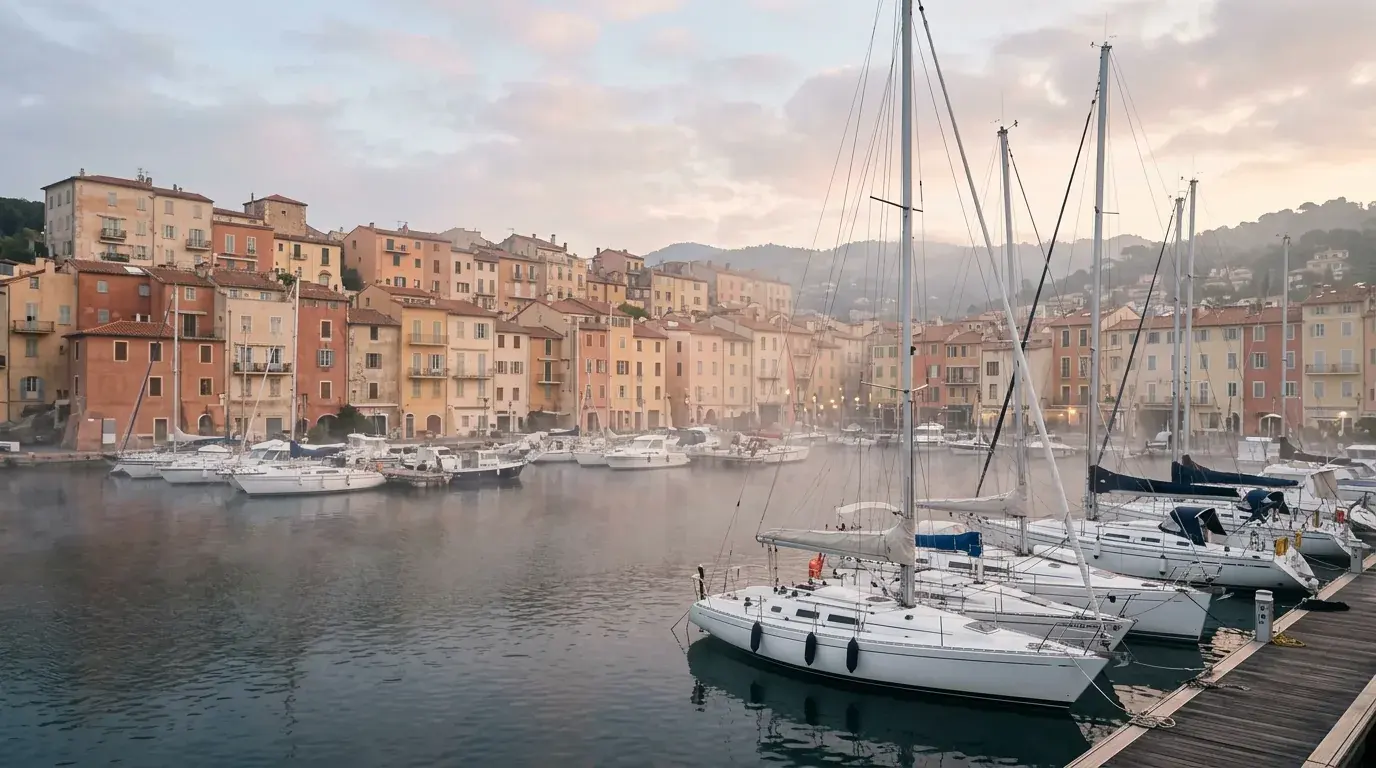
Monaco is a sovereign city-state on the Riviera, and most of what an international buyer is shown is apartments in co-owned buildings. The official statistics office, IMSEE, publishes an annual property observatory: for 2025 it records 429 resales worth a record €3.2 billion and an average resale price of €7.6 million (IMSEE, Observatoire de l'immobilier 2025). IMSEE also changed how it estimates price per square metre — it now uses a regression model — so the 2025 figure should not be set against older ones.
What it costs to buy
The cost of buying is dominated by registration duty, and it is not correct to say Monaco has no transfer tax. The Government's registration-duty page lists 6.5% as the general rate on real-estate sales, reduced to 4.5% where the buyer meets the criteria of transparency laid down by law, and 7.5% where those criteria are not met. Transfers subject to VAT carry 1%, and land publication is now a fixed €10 in place of the former 1% proportional duty (Monaco Government, Registration duty).
The transparency criteria matter most when the buyer is a company or trust. Before you sign anything, ask the notary in writing which rate your structure will attract and what evidence of beneficial ownership will be required to obtain it.
Notarial acts are among the documents that must be registered, and the notary's own fees are a separate charge on top of duty. Ask for a written estimate of both at the start.
What it costs to hold
The Government's tax overview states that Monaco levies no wealth tax, annual property tax or council tax (Monaco Government, Tax in Monaco). The real annual cost of an apartment is therefore the building: service charges for staff, security and plant, set by the co-owners and managed by a managing agent. Ask for several years of building accounts and the minutes of recent co-owners' meetings before you commit; large works are usually visible there first.
Residency
Buying does not by itself make you a resident. The residence permit is applied for separately, and the Government's own checklist asks for housing large enough for the people who will live there — owned or rented, with a notarised deed if you are the owner — proof of sufficient resources, and criminal records less than three months old. Monaco publishes no minimum sum: the page states that the amount judged sufficient depends on the Monaco bank providing the reference. Nationals of countries outside the European Economic Area must first hold a French long-stay (type D) visa, and the first permit costs €80 (Monaco Government, How to apply for a residence permit).
On tax, the Government states that residents pay no personal income tax — a position dating back to an 1869 ordinance — with the exception of French nationals, who remain liable to French income tax under the France–Monaco convention of 1963 (Tax in Monaco). Your home country's own residence and exit rules decide the rest; see our note on why the 183-day rule is not the rule.
Inheritance
Monaco's inheritance tax applies to property situated in the Principality whatever the domicile, residence or nationality of the deceased. Transfers between parents and children and between spouses are taxed at 0%; siblings pay 8%, uncles, aunts, nephews and nieces 10%, other relatives 13% and unrelated heirs 16% (Monaco Government, Inheritance tax). Your heirs' own countries may tax the same estate — see inheritance tax on property abroad.
Selling
We have not found an official Monaco page setting out a tax on the gain when an individual sells a home. That is not the same as confirming there is none in every case, and it says nothing about your home country, which may tax the gain. Ask the notary and your own tax adviser before you plan a sale around it.