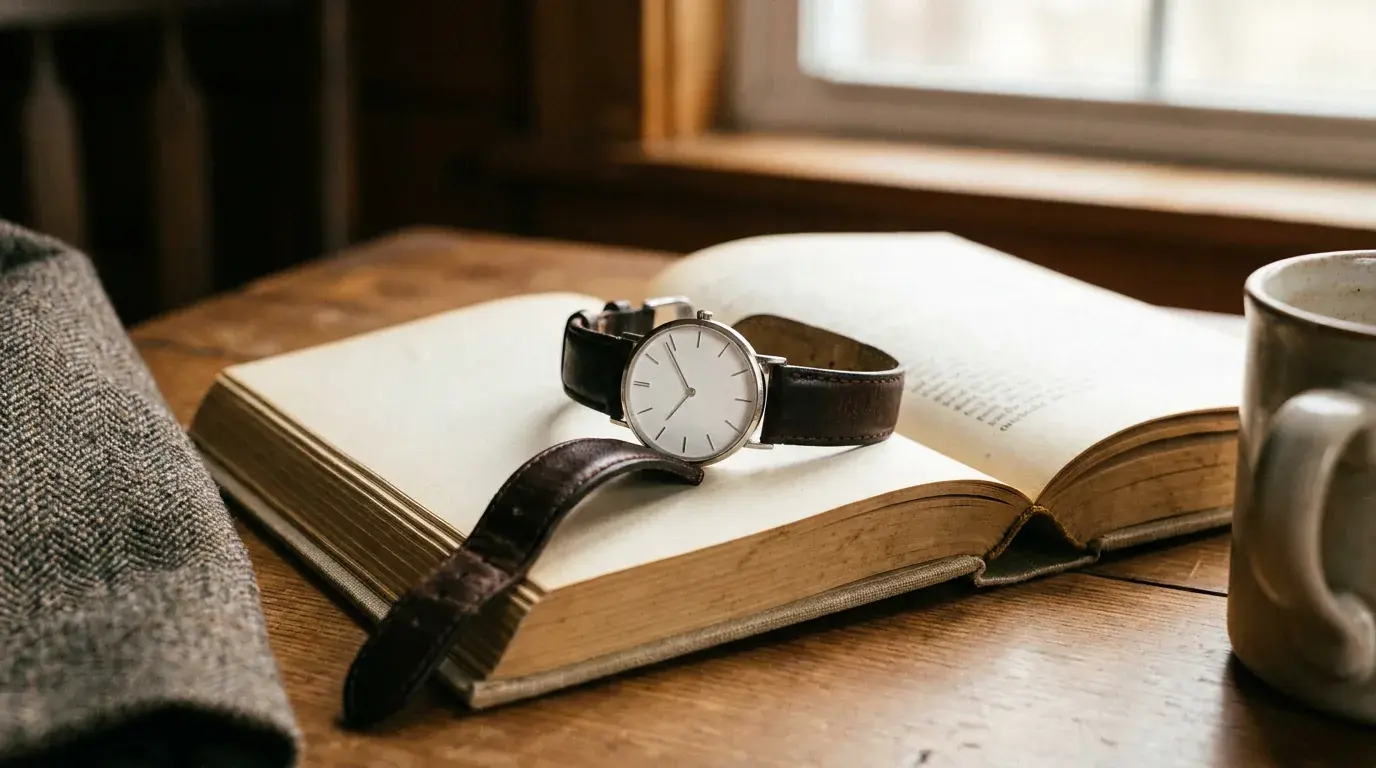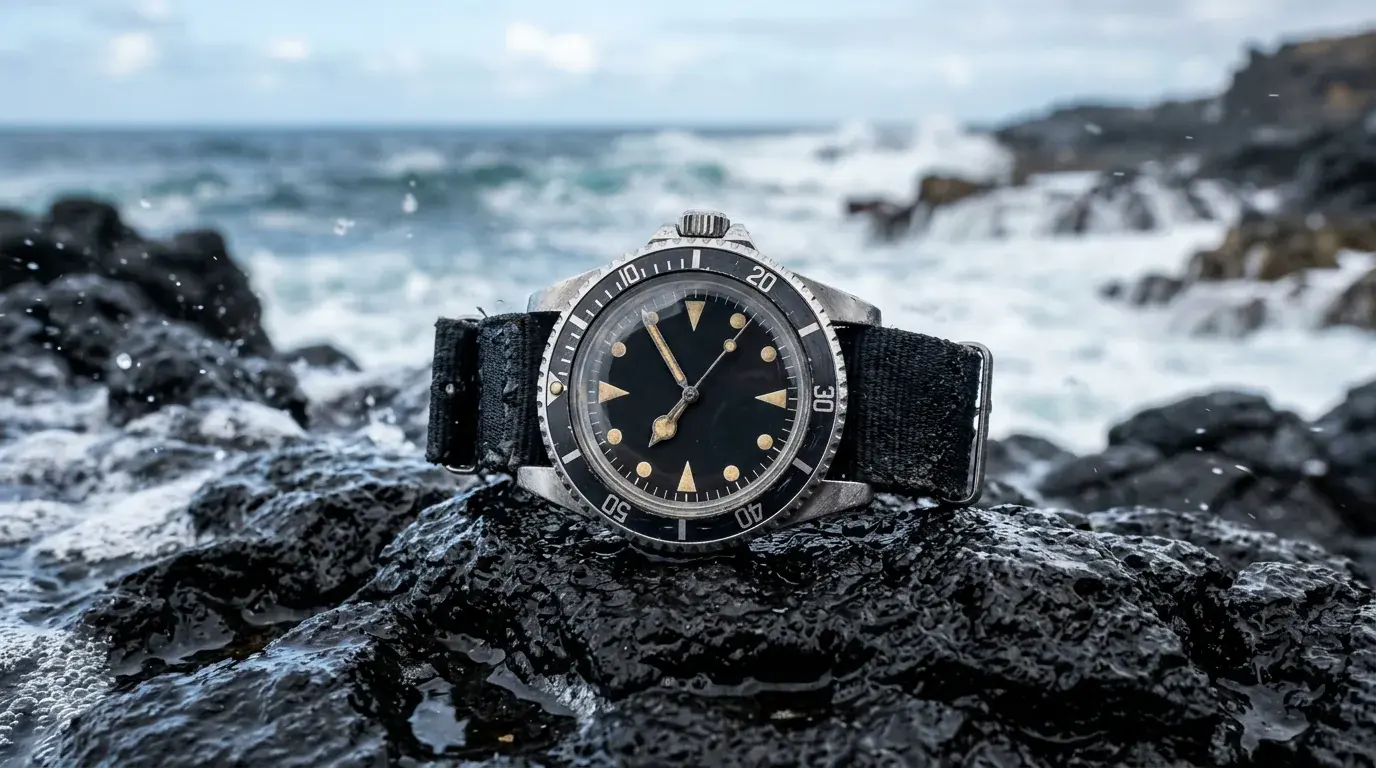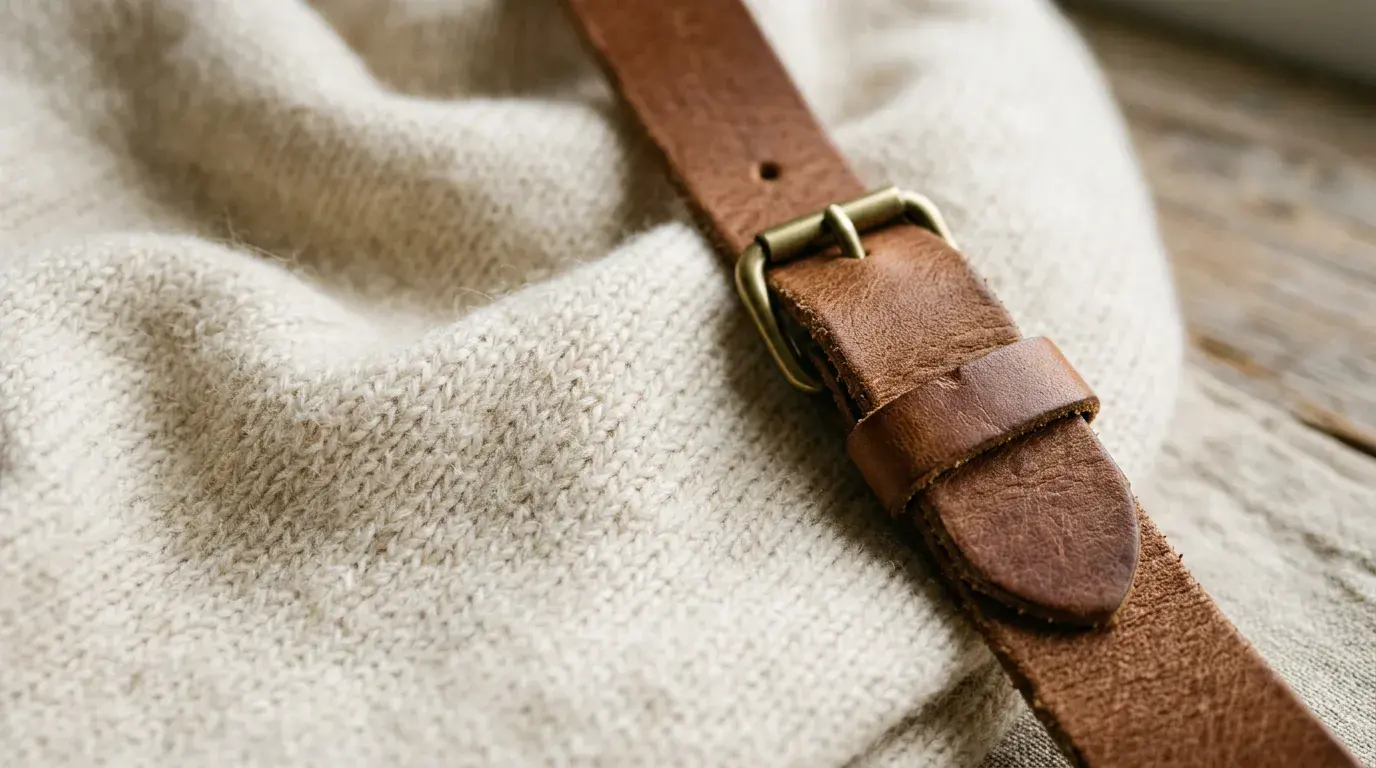
Quiet luxury became the phrase everyone reached for in the mid-2020s, but the idea is much older: buy fewer things, buy better ones, and let the quality speak instead of the branding. The point was never to spend the most money. It was to spend it where it shows up in daily life — in a watch that still runs in twenty years, a coat that keeps its shape, a piece of gold that holds its value.
The trap people fall into is assuming quiet luxury means quietly expensive. It does not. A well-made automatic watch, a full-grain leather bag, or a length of solid 999.9 gold can each be had for a few hundred to a few thousand — far below the fantasy price tags that dominate luxury marketing. The skill is knowing what you are paying for: movement quality, material grade, construction, and the maker's track record.
The very top of the market — the jets, the eight-figure houses — is largely unbuyable: almost none of it is genuinely purchasable, recommendable, or useful to a reader, and most trophy assets never list publicly. The luxury worth writing about is the luxury you can actually own. That means watches you can wear to work, jewellery you can hand down, and home pieces that quietly outlast everything around them.
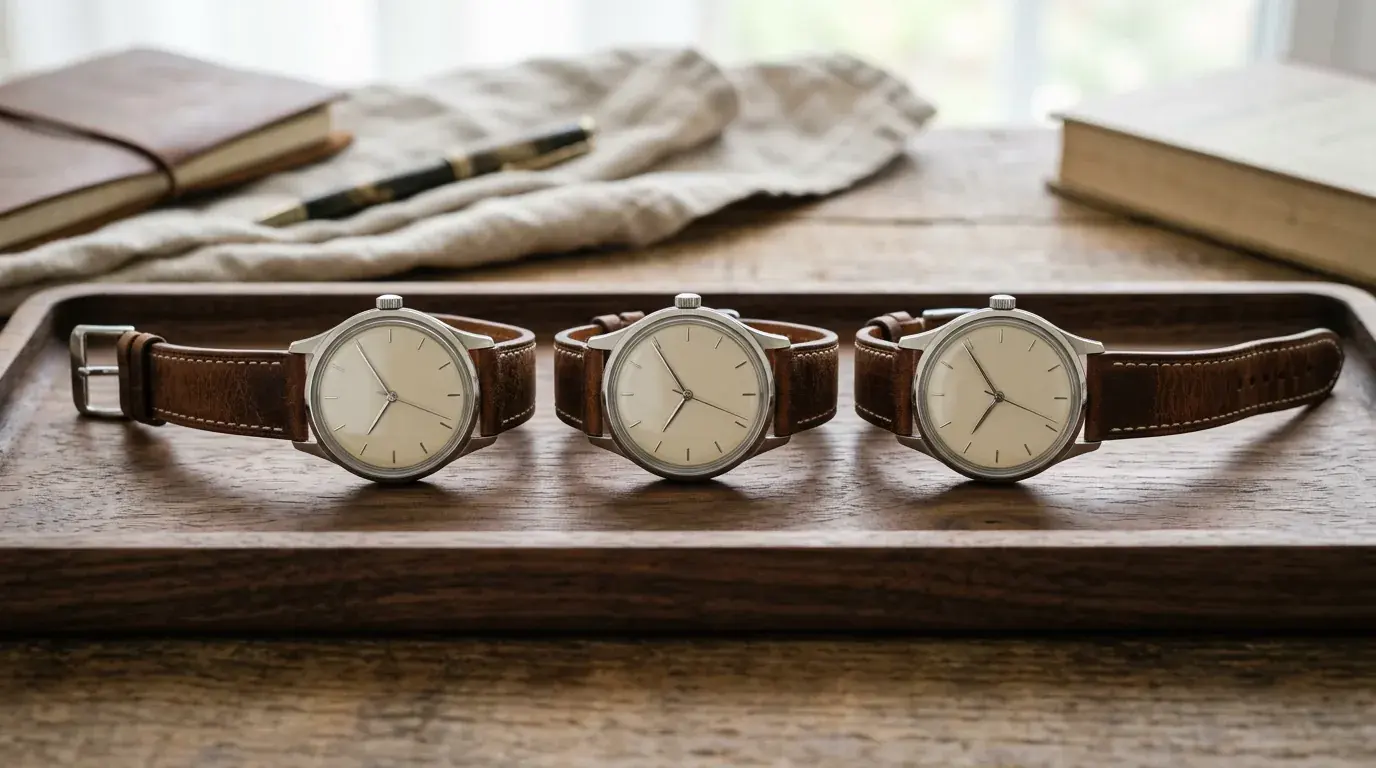
A good entry point is a watch. The mechanics are visible, the value is well-documented, and the resale market is liquid. We keep a running guide to everyday luxury watches under 1000, and a deeper review of the brands worth starting with.
Jewellery is the other classic store of value. Solid gold — not plated — is both an object and an asset, which is why we cover gold buying separately. And for the home, a few considered upgrades do more than a full renovation; our home guide explains which ones read as expensive without the expense.
The four tests a purchase has to pass
Strip away the styling and quiet luxury reduces to four questions you can ask about any object, in any category, at any price. If a thing passes all four it is usually worth the money. If it fails two it almost never is, however good it looks under shop lighting.
Does the material improve or degrade with use? Full-grain leather, solid gold, wool, good timber and stainless steel either get better looking or stay much the same. Coated leather, plated base metal, bonded fabrics and thin veneer only ever get worse. That single test eliminates a large share of what is sold as affordable luxury.
Is it repairable? A watch that can be serviced, a shoe that can be resoled, a coat whose zip can be replaced — each of those has a second decade in it. A sealed unit has one life. Ask the retailer what happens when the obvious part fails, and notice how quickly the conversation gets vague.
Would you still want it with the branding removed? This is the actual definition of quiet, and it is a useful check on your own motives rather than on the product. If the answer is no, you are buying signalling. That is a legitimate thing to buy, but it should be priced as such and not confused with quality.
Does it work with what you already own? An excellent object that matches nothing gets used twice. This is why the discipline is a wardrobe-level and household-level decision rather than a purchase-level one, and why we treat it at that level in the capsule wardrobe tutorial.
The arithmetic, with invented numbers
Every figure in this section is made up. It is illustrative only, it is not any brand's real pricing, and the unit is deliberately unstated. The point is the shape of the calculation.
Take two coats. Coat A costs 200 and needs replacing every second winter. Coat B costs 900, is built for the conditions you actually live in, and is realistically a ten-year coat with one zip repair somewhere in the middle.
Over ten years Coat A costs 1,000 across five purchases. Coat B costs 900 plus the repair. The cheaper coat turns out to be the more expensive one, and that is before counting five shopping trips and five winters of being slightly cold.
Now change one assumption and the answer flips. Suppose the climate is mild, you drive everywhere, and the coat is worn thirty times a year rather than a hundred and fifty. Coat A now lasts six years instead of two, and the case for Coat B collapses. The discipline is not "always buy the expensive one". It is "work out the real use first, then buy for it".
Where quiet luxury is genuinely the wrong call
The idea has been sold hard enough that it now needs an honest counterweight.
It fails on anything that changes shape. Children's clothing, maternity wear, anything bought while your size is moving — durability is worthless if the garment stops fitting. Buy adequately and replace.
It fails on rapidly improving technology. A ten-year-old phone is not a patinated object, it is an obsolete one. Spend where the improvement curve has flattened, not where it is still steep.
It fails when it becomes an excuse. "Buy once, cry once" is a good rule and also the single most effective upsell in retail. A ten-times-more-expensive version of a thing is not automatically the buy-it-for-life version; sometimes it is the same factory with a different name on the label. The test is the four questions above, not the price.
And it fails as an identity. The quickest way to spend more than a logo-chaser is to replace an entire functioning wardrobe with a new one of understated things. Attrition is the cheap route in: replace as items genuinely wear out, not as a project with a deadline.
Where to start if you are starting from nothing
Sequence purchases by contact time, because that is where a price difference reliably buys a quality difference.
Start with what touches you longest each day: a mattress and bedding, then shoes, then the coat, then whatever bag is carried daily. These are used for thousands of hours a year and are the places where better materials show up as comfort rather than as appearance.
Then move to what is seen rather than worn out — the watch, a single piece of solid gold, the two or three garments that carry an outfit. We cover the watch end in the under-£1000 roundup and the gold end in the solid-gold guide.
Leave decorative objects until last. They are the most visible and the least useful, which is exactly why they are the first thing most people buy, and the reason so many rooms look expensive and feel thin. Our home-upgrades guide applies the same sequencing to a house.
What to check before you pay
The same short list works in a watch shop, a jeweller and a furniture showroom.
- What exactly is the material, stated as a specification rather than an adjective — fineness for gold, hide and finish for leather, fibre content for cloth?
- Which part will fail first, and can that part be replaced?
- What is the maker's published care or service interval, in the maker's own words on its own site?
- Is there a warranty, what voids it, and does buying from this particular seller preserve it?
- What does the resale market for this category look like — liquid, thin, or effectively non-existent?
- Have you seen the item in daylight, on you, rather than under retail lighting?
If you take one thing from this piece: quiet luxury is a buying discipline, not a budget. Spend on the things you touch every day, skip the things you will replace, and the look takes care of itself. Our luxury lifestyle section carries the same thinking across fashion and home goods.