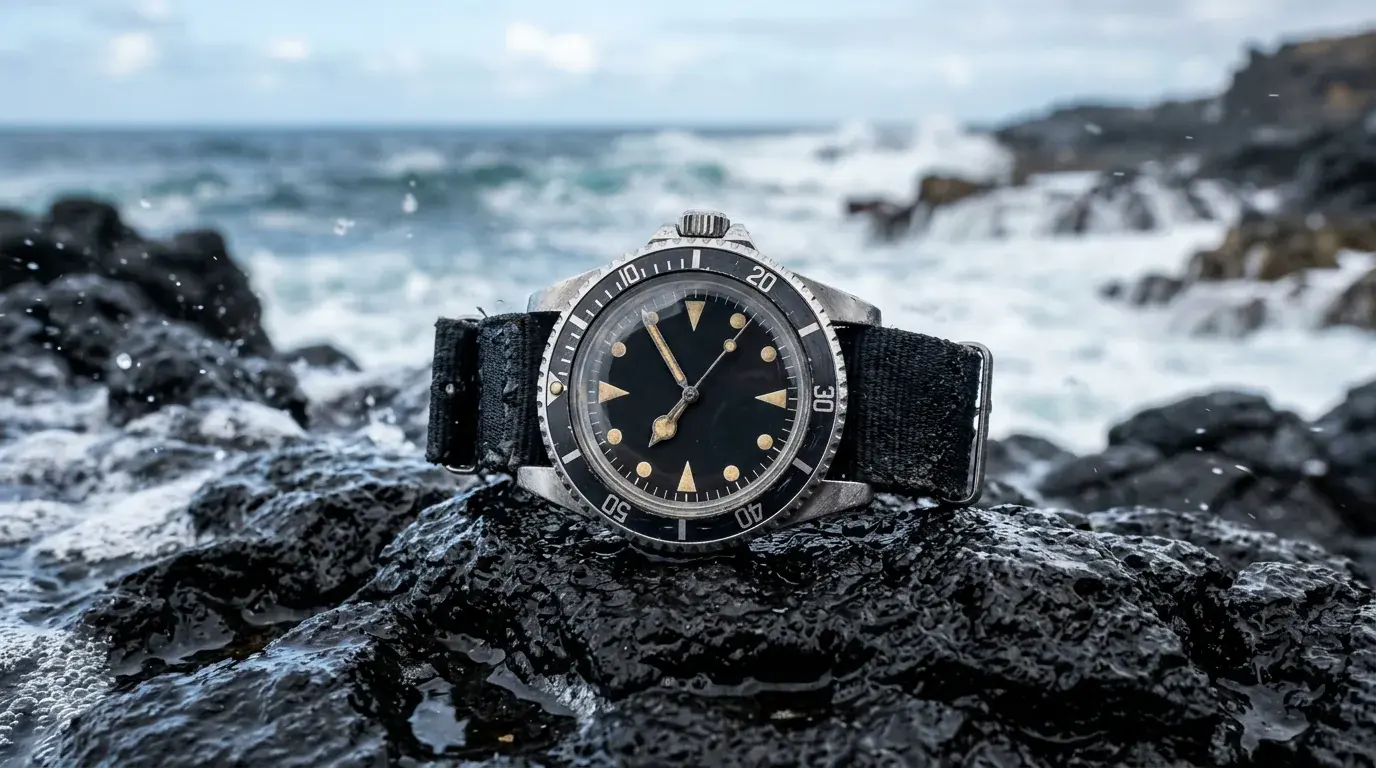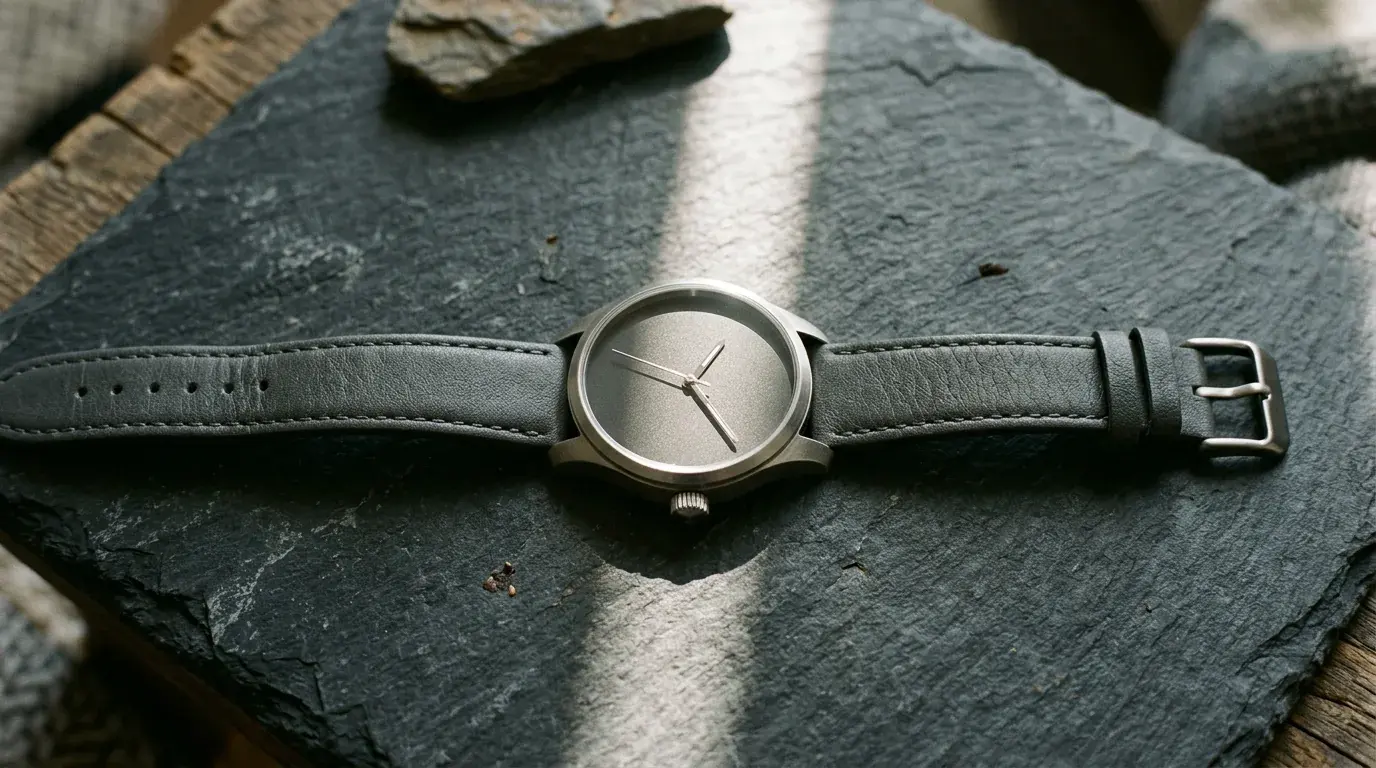
Longines is one of the most credible names you can buy without crossing into flagship-luxury pricing. Founded in 1832, it carries real Swiss heritage — and unlike many heritage names, much of the range stays within reach of an ordinary buyer saving for a special piece.
The collections split usefully: dressy classics for formal wear, sportier lines with automatic movements, and heritage re-editions that lean on the brand's archive. For a first serious Swiss watch, the automatic lines are the obvious target — you get a refined movement, a sapphire crystal, and a name with resale credibility.
Against Japanese alternatives like the Citizen Eco-Drive we review separately, Longines costs more and asks for periodic servicing. What you get back is mechanical character and a watch that holds its value better. It is the upgrade step once you have decided watches are something you care about — a path we map in our first-watch tutorial.
Sizing and fit matter more at this level. Try before you buy where you can, and remember that a slightly smaller case usually wears more elegantly than the oversized trend suggests — a recurring theme in our broader under-£1000 watch guide.
What "Swiss made" actually is
Worth knowing, because it is one of the few luxury phrases with legal content behind it. Swiss made on a watch is not a marketing adjective — it is a designation regulated under Swiss law, with defined requirements covering where the movement is assembled, where the watch is finally inspected, and what proportion of the manufacturing cost must be Swiss.
Two things follow for a buyer. First, the label is a floor, not a ranking: every compliant watch clears the same bar, so it does not distinguish a good Swiss watch from an ordinary one. Second, the thresholds have been tightened over time, so a claim about what the rules require is only as good as its date. If the exact requirement matters to your decision, read the current Swiss ordinance rather than a forum summary or a retailer's paraphrase, and note when you read it.
Reading the collections without the marketing
The range divides more usefully by intent than by name.
Dress and classic lines are thin, plain-dialled and designed to disappear under a cuff. These are the ones that look best at forty and still look right at sixty. Thickness is the specification that matters most here.
Sport lines carry higher water resistance, more robust cases and often a bracelet designed to be worn hard. They are heavier, thicker and more forgiving of daily abuse.
Heritage re-editions reinterpret archive designs. They tend to be the most distinctive and the most divisive, and they are the models most likely to be sized to modern taste rather than to the original.
Within all three, the meaningful split is automatic versus quartz. The same case can be offered with either, at different prices, and the quartz version is not a lesser watch — it is a different ownership contract, as we set out in the under-£1000 guide.
Servicing is the commitment nobody mentions at the counter
A mechanical watch is a machine with lubricants that age and gaskets that harden. It needs periodic servicing, and at this level that is skilled work with genuine parts rather than a battery swap.
Three things to establish before you buy, not after.
The published interval. The maker states one. Find it on the maker's own site, because retailers, forums and enthusiasts all quote different figures and only one of those sources is authoritative.
The cost in your country. Ask the retailer for a current service price for that specific model. This varies by market and by movement, and a service that costs a significant fraction of the watch's price changes the buying decision.
Where the work is done. Some markets have a local service centre; some ship watches abroad and quote weeks or months. If being without the watch for a season is a problem, ask first.
None of this is an argument against a mechanical watch. It is an argument for knowing that a mechanical watch is an ongoing relationship, whereas the solar quartz in our Citizen Eco-Drive review is close to a one-off transaction.
Sizing, honestly
The measurement that decides fit is not case diameter but lug-to-lug, the tip-to-tip length across the watch. That is the dimension that either sits within the flat of your wrist or overhangs it, and overhang is what makes a watch look borrowed.
Thickness decides whether a dress watch actually works as a dress watch. A thick case under a shirt cuff is the most common sizing regret at this level, and it is invisible in photographs.
Try the bracelet as well as the watch. A bracelet that cannot be adjusted to a half-link near your actual wrist size will annoy you every day, and clasp micro-adjustment is worth more in daily life than most dial features.
Authorised dealer versus the grey market
The saving on a grey-market watch is real and so is what you give up. An authorised dealer sells with the manufacturer's warranty, a traceable purchase record, and recourse if the watch arrives faulty. A grey-market seller may offer its own warranty instead, which is only as good as that company's solvency and service arrangements.
The second-hand market is a separate question and can be excellent value, but it needs its own diligence: who serviced it and when, whether the parts are genuine, whether the case has been over-polished, and whether box and papers are present. A watch with a documented service history from a named watchmaker is worth materially more than the same watch without it.
Where Longines is the wrong answer
Two honest cases.
If you want maximum specification per unit of money, you will do better elsewhere. Japanese makers offer more water resistance, more accuracy and often more movement for the same outlay. What you give up is the finishing and the name, and whether that trade is worth it is a matter of taste rather than fact.
If you are buying as an investment, this is not it. The small group of watches that reliably appreciate is well known and this is not on the list. Buy it because you want to wear it for twenty years, which is a much better reason anyway. For a purchase that genuinely holds intrinsic value, our solid-gold guide is the more honest page.
What to ask before you buy
- What is the movement, by name, and is it automatic or quartz?
- What is the lug-to-lug length and the case thickness?
- What service interval does the maker publish, and what does a service cost here?
- Is the work done locally or shipped abroad, and how long is the watch away?
- Does this seller supply the full manufacturer warranty, and what registration is required?
- Is the crystal sapphire, and is it flat or domed with an anti-reflective coating?
- Are bracelet links screwed or pinned, and is a half-link available?
- If second-hand: who serviced it, when, and is there paperwork?
On price: Longines is sold through authorised dealers who run brand codes through the year. A discount on a Longines is meaningful given the ticket. We track live codes on the deals board, and the Longines range at First Class Watches carries full warranty and frequent promotions — the safest way to buy without risking grey-market pitfalls.