A property listed for years is usually read as overpriced. Price is one of the four reasons and rarely the most interesting one.
1. The buyer pool is countable
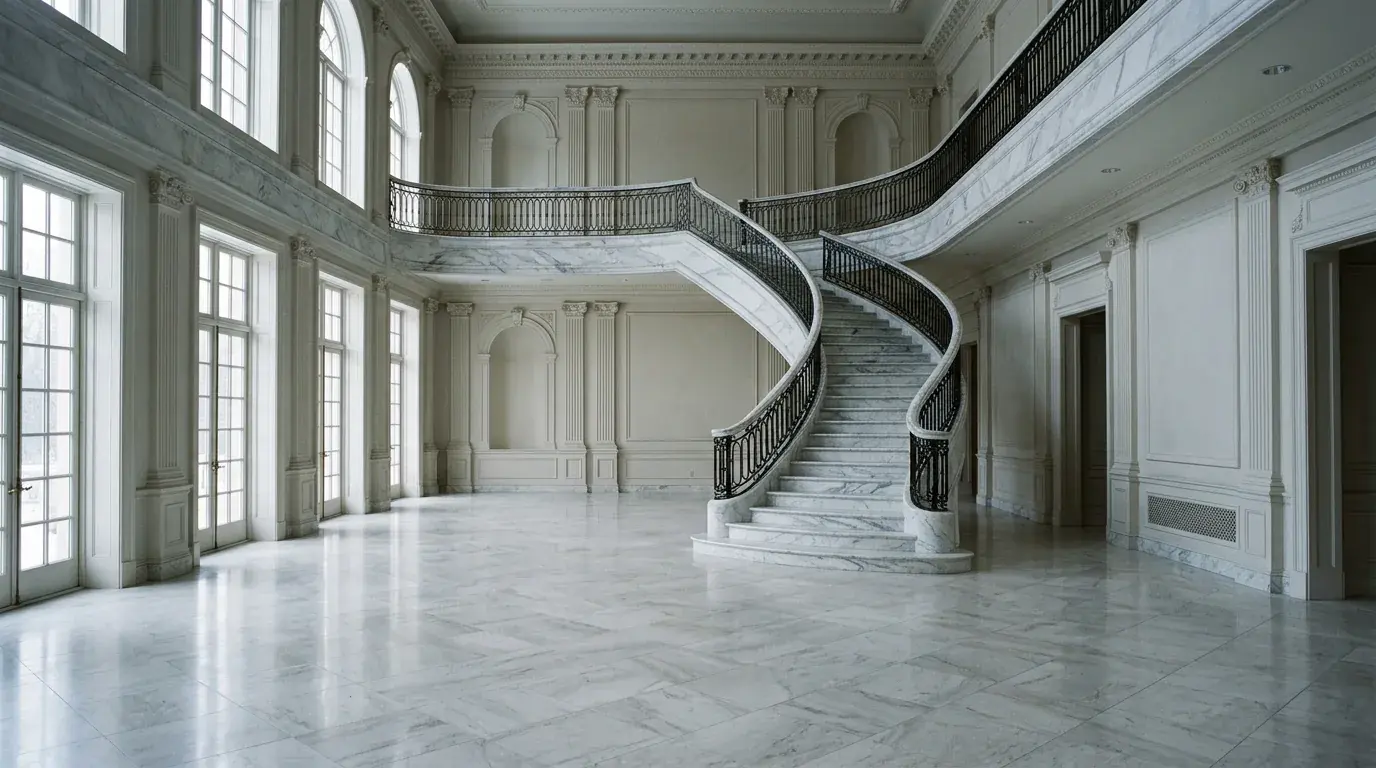
At ordinary price points a seller faces a market. At the trophy end they face a list — a number of qualified buyers small enough to count, of whom only some want that country, that style, and that much house at that moment.
When the pool is that small, time on market says less about the property than about the odds of the right person being active this year.
2. It was built for one person
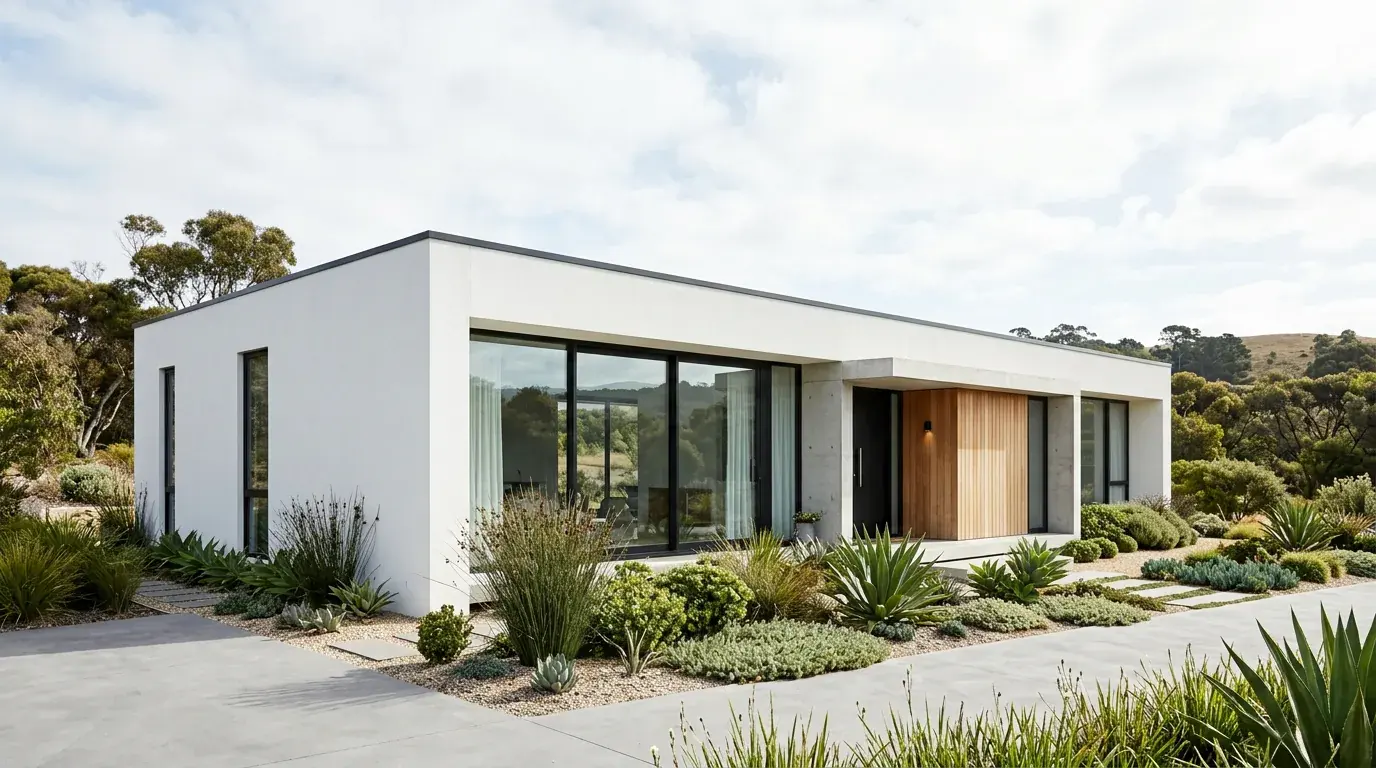
Highly personal architecture is the most reliable predictor of a long listing. A house built precisely around one owner's requirements is, by construction, poorly matched to almost everyone else — and at this level buyers are not looking for a project.
The corollary matters when buying: a property that took years to sell may be excellent value, provided you are the person it was built for.
3. The carrying cost is visible to the buyer
Sophisticated buyers price the annual figure, not just the asking price. A property with a punishing running cost, complicated compliance obligations, or extensive grounds requiring continuous staffing is discounted for those reasons — and the discount required can be larger than sellers will accept.
This is why the carrying-cost series matters on the sell side too: the number you did not budget for is the number your eventual buyer will.
4. Discretion slows everything
Much of this market moves quietly. Properties are shown to a handful of people, transactions are structured privately, and neither side is in a hurry to be visible. A public listing that appears stale may simply be the surfaced part of a longer private process — the subject of our off-market access guide.
How to read a long listing
Days on market is the crudest possible signal and it is also the most frequently manipulated. Before drawing conclusions, establish what actually happened.
Ask for the full price history, not the current asking price. A property that has come down in three steps is telling you something quite different from one that has never moved. The pattern of reductions — their size and their spacing — reveals how the seller's expectations have been adjusting.
Check whether it has been withdrawn and relisted. Relisting resets the visible days-on-market counter, and a property showing sixty days may be in its fourth listing. The tell is usually a change of agency, a new set of photographs, or the same interior shot with different furniture.
Count the agency changes. Two or three agencies in succession usually means either an unrealistic price the sellers would not accept advice on, or a property that is genuinely difficult to place. Both are useful to know and they call for different approaches.
Look at when the photographs were taken. Marketing material shot in a season the property is not currently in tells you how long the campaign has been running regardless of what the listing date says.
Find out whether it has been under offer before. A property that has fallen through once may have a specific problem — a title issue, a survey finding, a planning constraint — that will find you too. Ask directly and ask why.
What "priced correctly" means when there is nothing to compare it to
The reason valuation is so contested at this level is that the comparable-sales method quietly stops working.
Ordinary valuation works because there are enough similar transactions to establish a range. At the trophy end there may be no genuinely comparable sale in the same market in several years, and the ones that exist may have been private, unreported, or structured in ways that make the headline figure misleading.
What replaces it is a set of weaker proxies: replacement cost, land value plus construction, price per square metre from a broader and less similar set, and the seller's own basis. All of these can be argued, and all of them are argued.
The practical consequence for a buyer is that "the asking price is too high" is rarely a fact you can demonstrate. What you can demonstrate is what the property costs to hold, what it would cost to correct, and what you are prepared to pay. That is a stronger negotiating position than a contested valuation, because it is about you rather than about the market.
Renovation risk on a house built for one person
Point two above — highly personal architecture — has a cost attached, and it is the cost buyers most often underestimate.
De-personalising a house is not decorating. Removing a bespoke installation, reconfiguring rooms built around one owner's routine, or replacing a specified material that is no longer made can approach the cost of building new, and on some properties it is not permitted at all.
Three constraints to establish before you model any of it. Whether the building is listed, protected or in a conservation area, which can dictate not merely whether you may change something but which method and material you must use. Whether the original planning consent carried conditions that persist. And whether the specification includes materials or systems that are now unavailable, which turns a repair into a redesign.
The reason a long-listed personal house can still be excellent value is that this risk is priced into the discount. The reason it can be a disaster is that the discount is frequently smaller than the correction.
The questions that reveal the seller's position
Negotiation at this level is less about the property than about the seller's circumstances, and those are usually discoverable if you ask politely and listen.
- Why is the property being sold, and has that reason changed since it was listed?
- Where has the seller moved to, and are they carrying two properties?
- Is there debt secured on it, and is there any time pressure attached?
- Has an offer been accepted before, and what happened?
- What has the seller declined, and how far below asking was it?
- Is the sale connected to a divorce, an estate, or a partnership dissolution, any of which imposes its own timetable?
- Would the seller consider terms other than price — a longer completion, a phased structure, taking contents into the deal?
- What would the seller need in order to say yes today?
An agent will not answer all of these and should not. But the ones they do answer, and the ones they decline, together tell you a great deal about where the flexibility sits.
What it means if you are buying
A long listing is an opening, not a warning. The questions worth asking are whether the property is genuinely unusual or merely idiosyncratic, what the annual figure really is, and whether the seller's position has changed since listing.
The answer to the third question is where the negotiation actually lives.
Two closing cautions. A property that is cheap because it is difficult will still be difficult when you come to sell it, and your buyer pool will be the same small list. And the discount you negotiate applies once, while the carrying cost applies every year — which is the argument the whole carrying-cost series exists to make.
For a seller, presentation is one of the few variables fully under the owner's control, and it is often where a listing that is already priced ambitiously loses momentum first.
General information, not legal, tax or investment advice. Market conditions, planning and heritage rules and transaction practice differ by jurisdiction and change. Take advice specific to the property and the country before committing.
Frequently asked questions
Why do some properties remain listed for years?
A long listing often relates to the size of the buyer pool, highly personal architecture, visible carrying costs, or quiet private processes. At the trophy end, the pool of qualified buyers is extremely small, and a property built precisely for one owner can be poorly matched to almost everyone else.
How can you read a long listing before drawing conclusions?
You should establish what actually happened by asking for the full price history rather than the current asking price. Check if the property has been withdrawn and relisted, count any agency changes, look at when the photographs were taken, and find out whether it has been under offer before.
Why does the comparable-sales method stop working at the trophy end?
Valuation is contested because ordinary valuation works when there are enough similar transactions to establish a range. At this level, there may be no genuinely comparable sale in the same market in several years, and existing sales may have been private, unreported, or structured differently.
What risks are involved with a house built for one person?
Highly personal architecture carries renovation risks that buyers often underestimate. De-personalising the house can approach the cost of building new. Before modelling changes, you must establish constraints such as listed, protected, or conservation status, persistent planning consent conditions, and unavailable materials or systems.