A Small State With a Measured Market
Monaco is a compact city-state on the Mediterranean, and almost everything about its property market follows from that: supply can grow only by building upward, redeveloping existing sites or reclaiming land from the sea. What makes the Principality unusual for a buyer is that its prices are measured officially. The Monegasque statistics institute, IMSEE, publishes an annual Observatoire de l'Immobilier built on transactions recorded at the mortgage registry of the tax services, so the figures below come from registered deeds rather than from agents' marketing.
What the Official Figures Say
In its observatory for 2025, published in February 2026, IMSEE counts 493 private-sector residential transactions: 64 first sales of new homes totalling about €2.6 billion, and 429 resales totalling a record €3.2 billion, of which 22 resales exceeded €20 million. It estimates the average price at €57,569 per square metre, with the Larvotto district highest at €71,167 and homes in buildings completed since 2020 at €65,602 (IMSEE, Observatoire de l'Immobilier 2025, checked 28 September 2026).
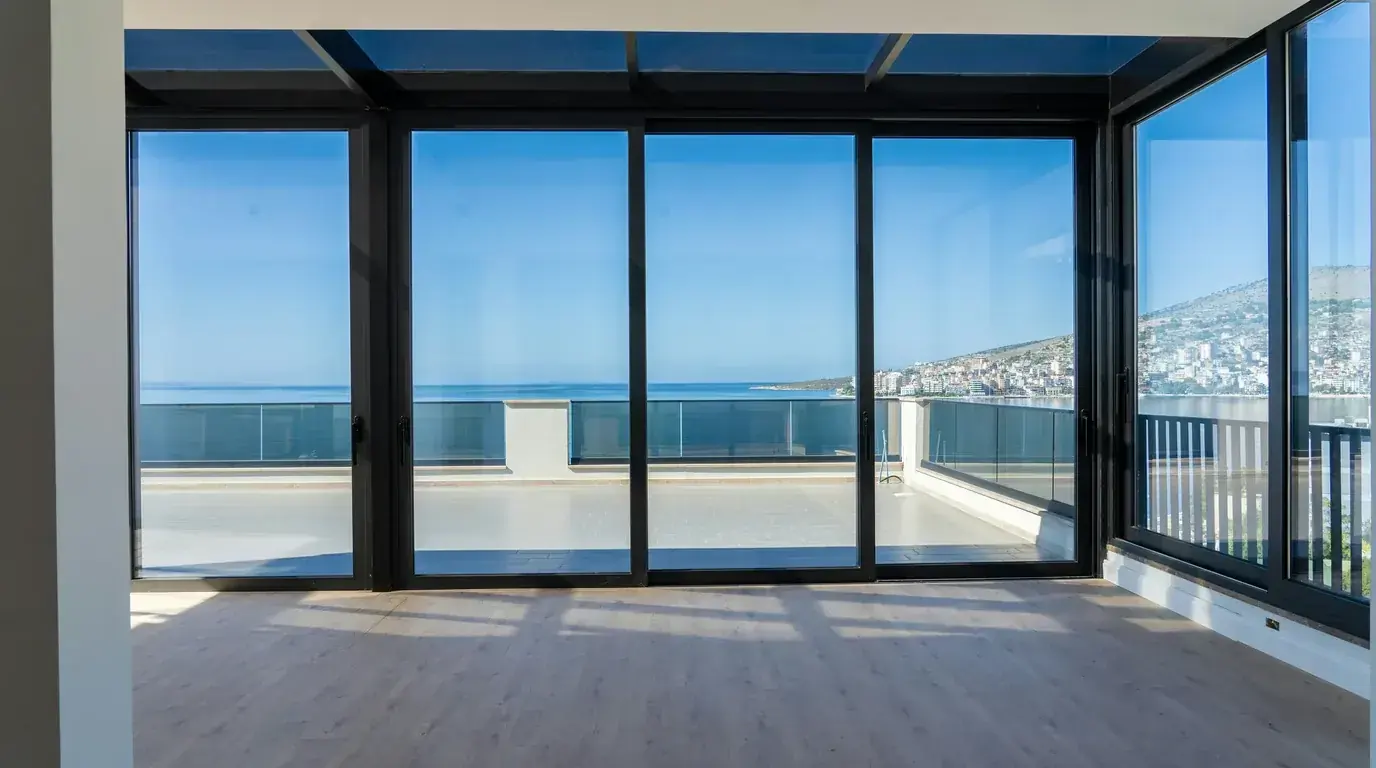
Three points about those figures matter more than the headline. First, IMSEE changed its method for this edition: the per-square-metre figure is now modelled across both new sales and resales, by year, district and construction period, and IMSEE states that the new series cannot be compared with the per-square-metre figures in its earlier observatories. Second, villas and Monaco-Ville are excluded from the estimate. Third, it is an average. A penthouse with an open sea view and a large terrace can trade far above it, and a dated apartment in an older building below it. The much higher per-square-metre figures that circulate in marketing describe individual trophy transactions at most, not the market.
Why Buyers Choose Monaco
Tax residency is the reason most often given. Monaco does not levy personal income tax on its residents, with a well-known exception for French nationals under the bilateral convention with France. That benefit depends on genuinely becoming resident and on properly leaving the tax system you are in now — both covered below.
Security and privacy come next. The Principality is small, densely policed and has a long-standing reputation for personal safety, which matters to public figures and families with security concerns.
Lifestyle is the third reason: a Mediterranean climate, the Opera and the Grand Prix, a dense restaurant scene, and Nice Côte d'Azur airport a short drive or helicopter hop away. For many buyers the practical test is simpler — whether they will actually spend enough of the year there to make the move worthwhile.
New Supply: Mareterra and the Towers
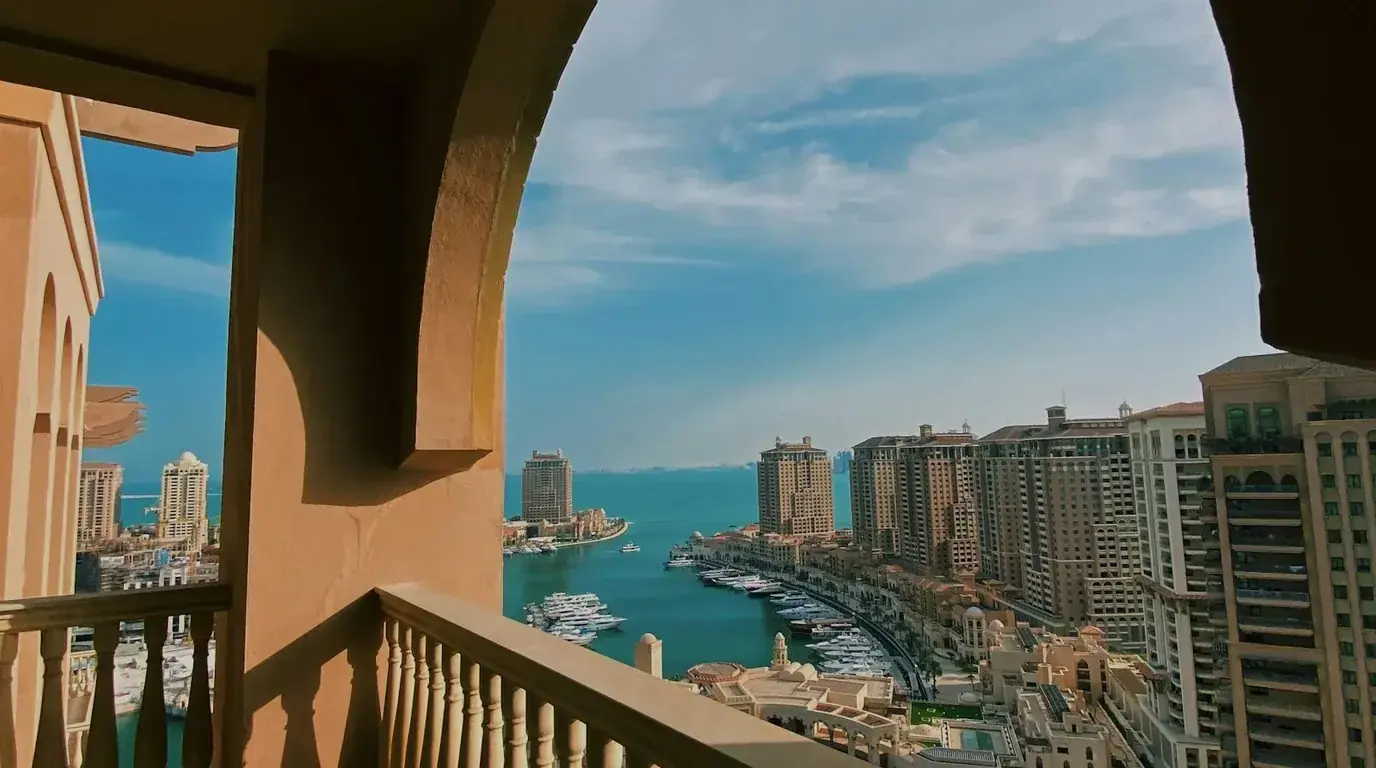
Mareterra, the district built on land reclaimed from the sea beside the Larvotto, is the most recent addition to Monaco's territory, following the much earlier Fontvieille reclamation. It combines apartments, a small number of villas, a marina and public gardens, and IMSEE lists it among the buildings of the 2020s whose deliveries have lifted average prices. New-build stock matters in Monaco because most transactions involve existing apartments, many in buildings that are decades old.
Tall residential buildings such as Tour Odéon show the other route to new supply: building upward. Their upper floors are what the word penthouse usually means here, and the premium they command rests on views that are protected only by what is — or is not — built next. Check the planning position around any tower before you pay for its outlook.
Buying in Monaco
There are no restrictions on foreign ownership of property. Obtaining residency is a separate process. Monaco publishes no minimum sum. The Government's guidance on its public-services portal asks, among other documents, for a bank reference in the approved format, less than one month old, from a Monaco bank confirming that you have sufficient funds to live in Monaco, and states that the sum judged sufficient depends on the banking establishment in Monaco providing the reference. The fixed thresholds that circulate for this are banks' practice rather than a published rule, so ask the Monaco bank you intend to use (MonServicePublic, checked 28 September 2026). Applications are handled by the Residency Section of the Police Department, which interviews applicants before a card is issued.
Financing is available from Monaco-based banks, though many buyers purchase without borrowing. International agencies such as Knight Frank, Savills and Engel & Völkers, and private banks, operate locally. Remember that an agent is paid by the transaction and that a bank reference is the bank's own decision; neither is a substitute for independent legal and tax advice.
Transaction costs are driven by registration duty, and it is not correct to say there is no transfer tax. Under Act no. 1.381 of 29 June 2011, the Monaco Government publishes a proportional duty of 6.5 percent on the sale of real estate, reduced to 4.5 percent where the transaction meets the transparency criteria laid down by the law and charged at 7.5 percent where it does not. Land publication is a fixed 10 euro fee in place of the former 1 percent, except on transfers subject to VAT, which remain subject to the 1 percent (MonServicePublic, checked 28 September 2026). As a hypothetical illustration, on a €10 million resale the duty would be €650,000 at 6.5 percent and €450,000 at 4.5 percent. Notaries' fees are a separate charge set by tariff, so ask your notary for the scale rather than working from a rule of thumb. How Monaco's duty compares with purchase taxes elsewhere is set out in stamp duty and transfer taxes explained, and our Monaco market dossier gathers the duties, residency steps and running costs in one place.
What Could Change
Monaco's supply constraint is real: the Principality cannot expand much beyond Mareterra, and demand from internationally mobile families has been persistent. But a constrained market is not a guaranteed one. IMSEE's own figures show new-build sales falling sharply in 2025 from an exceptional 2024 while resales rose, which is a reminder that the market moves in phases. A change in the tax treatment of a major feeder country, or in how banks handle large non-resident deposits, can shift demand faster than a small state can adjust supply.
What You Actually Own
Monaco's residential stock divides along a line that matters more than the postcode. Freely tradable apartments in private buildings are what most international buyers picture. But a significant part of the Principality's housing is state-owned or sits under protected regimes that restrict who may occupy it and on what terms, and none of it reaches the open market. That does not touch the top tier directly, but it shapes the supply picture: the number of homes genuinely available to an international buyer is far smaller than the total housing count implies.
The second structural point is that Monaco apartments are almost always held in co-ownership, with a syndic managing the building. Service charges in the newest towers reflect hotel-grade staffing, concierge, security and plant, and they are a permanent cost that scales with the building's ambition rather than with your usage. Ask for three years of syndic accounts, not one, and read the minutes of the last two co-owners' meetings — that is where a facade or lift programme announces itself before it appears on your statement.
Residency Is a Separate Transaction
Buying property in Monaco and becoming resident in Monaco are two different processes, and it is entirely possible to complete the first and be refused the second. The application turns on suitable accommodation, proven financial means, criminal record extracts from the countries where you have lived in recent years, and the other documents on the Government's list. Those requirements are set by the Monegasque authorities and have been revised before; confirm the current list with the Government's own service or a Monaco-registered lawyer rather than relying on any summary, including this one.
The tax question deserves the same care. Monaco's absence of personal income tax applies to its residents, subject to the French exception, and it does not automatically release you from the system you are leaving. Most high-tax jurisdictions apply their own tests for ceasing residence — day counts, family and economic ties, availability of a permanent home — and some apply exit charges on unrealised gains. The move works only if the departure is planned as carefully as the arrival, with advisers in both countries. Our guide to why the 183-day rule is not the rule explains the tests, and what a low-tax country's headline rate hides covers the costs that remain after a move.
What to Check Before You Sign
- Three years of syndic accounts and the minutes of the last two co-owners' meetings
- Any pending facade, lift, plant or waterproofing programme, and how it will be levied on owners
- Whether the sale qualifies for the 4.5 percent transparency rate, confirmed by the notary in writing
- The exact terms of any parking allocation, which is separately valuable and separately titled
- Whether the view is protected by anything other than luck, since Monaco builds vertically
- Your own tax adviser's written view on ceasing residence where you are now, obtained before you commit to a timetable
Before you transact. Monaco is a store of value, not a guaranteed one: prices can stall or fall, and a purchase of this size ties up capital in an illiquid asset for years. Once the keys change hands, a 3D interior and floor-planning tool such as Coohom is a practical way to test a fit-out with your designer before contractors are engaged.
General information only. This article explains how buying in Monaco generally works. It is not legal, tax or investment advice. Duty rates, residency requirements and tax rules can change; confirm them at the sources listed below and with a Monaco notary and your own tax advisers before acting.
Frequently asked questions
What is the average price per square metre in Monaco?
IMSEE, Monaco's statistics institute, estimates the 2025 average at €57,569 per square metre, with the Larvotto district highest at €71,167 and buildings completed since 2020 at €65,602. The series uses a new method that cannot be compared with earlier editions, and it excludes villas and Monaco-Ville.
Can foreigners buy property in Monaco?
Yes. There are no restrictions on foreign ownership of property. Becoming resident is a separate process with its own requirements, and buying a home does not guarantee a residence card.
What taxes do you pay when buying in Monaco?
Registration duty of 6.5 percent on a sale of real estate, reduced to 4.5 percent where the transaction meets the transparency criteria of Act no. 1.381 and charged at 7.5 percent where it does not, plus a fixed 10 euro land-publication fee on transfers not subject to VAT. Notaries' fees are charged separately by tariff.
How much money do you need to become a Monaco resident?
Monaco publishes no minimum sum. The Government asks for a bank reference, less than one month old, from a Monaco bank confirming that you have sufficient funds to live there, and the amount judged sufficient is the bank's own decision. The fixed thresholds that circulate are banks' practice, not a published rule.
Do Monaco residents pay income tax?
Monaco does not levy personal income tax on its residents, with a well-known exception for French nationals under the convention with France. Moving there does not automatically release you from the tax system you are leaving, so plan the departure with advisers in both countries.