The short answer. A foreign buyer can own a chalet in Courchevel with no nationality restriction, and can generally buy in Aspen, subject to US withholding tax on an eventual sale. Zermatt is the hard one: a person abroad needs cantonal authorisation under Switzerland's Lex Koller, within an annual quota, and new second homes are in principle barred where they already exceed 20 percent of the housing stock. The detail, the tax on a sale and the costs of holding each are below.
Three Resorts, Three Rulebooks
Courchevel in the French Alps, Aspen in Colorado and Zermatt in Switzerland are among the most famous names in skiing, and a chalet in any of them is as much an emotional purchase as a financial one. What separates them for a buyer is not the snow or the scenery but the law: who may own a home, whether new second homes can be built at all, and what the state takes when you sell. Those rules decide more about the value of a chalet than any view.
The Three Side by Side
| Courchevel (France) | Aspen (Colorado, USA) | Zermatt (Switzerland) | |
|---|---|---|---|
| Can a non-resident foreigner buy? | Yes, there is no nationality restriction on buying a home | Yes, a foreign individual can generally buy a home | Only with cantonal authorisation, within an annual quota, in communes designated for holiday homes (Lex Koller) |
| Can new second homes be built? | Subject to local planning rules | Subject to the city's growth-management and review rules | Generally not in communes where second homes already exceed 20% of the housing stock |
| Tax when you sell | Gains taxed at 19% income tax plus 17.2% social charges, with full exemption after 22 and 30 years of ownership respectively | US capital gains tax, with 15% FIRPTA withholding on the sale price for foreign sellers | Cantonal property gains tax, at rates that vary by canton and holding period |
| Who to ask first | A French notaire | A Colorado real estate attorney and a US tax adviser | The commune, the cantonal authorisation office and a Swiss notary |
The French figures are from Service-Public (checked 28 September 2026), the US withholding rate from the IRS and the Swiss second-home rule from the Federal Office for Spatial Development (both checked 28 September 2026); the sections below explain each.
Courchevel: The French Standard
Courchevel 1850 is the highest and best-known village of the Courchevel resort, part of Les Trois Vallées linked ski area, and its reputation rests on ski-in, ski-out chalets, a dense concentration of high-end hotels and restaurants, and a winter season built around Christmas, New Year and the February holidays. The finest chalets are run like small hotels: several bedroom suites, a spa and pool, staff quarters and a ski room at piste level. That format is what drives both their value and their running costs.
France imposes no restriction on foreign ownership, which is a genuine advantage. What it does impose is a capital gains regime on second homes that rewards patience. Service-Public, the French government's information service, states that the gain is exempt from income tax once the property has been held for more than 22 years, and from social charges after 30 years; before that, the taxable gain is reduced by an allowance for each year of ownership and taxed at 19 percent income tax and 17.2 percent social charges (Service-Public, checked 28 September 2026). A frequently repeated claim that the tax disappears entirely after 22 years is therefore wrong: the social charges run for eight more. How a gain like this interacts with tax in your home country is covered in capital gains tax on a second home. Non-residents should also ask a notaire about the additional rules that apply to them, and about the annual taxes on a second home and France's real-estate wealth tax for owners above its threshold.
Aspen: A Year-Round Town
Aspen is a ski resort, a cultural centre — home to the Aspen Ideas Festival and the Aspen Music Festival — and a year-round town, which is why its market behaves more like a small city's than a seasonal resort's. The high end is concentrated in a few areas. Red Mountain, above the town, offers large lots and views over the Roaring Fork Valley. The West End sits within walking distance of downtown and the base of Aspen Mountain, with Victorian houses and contemporary rebuilds side by side. Starwood, a gated community outside town, offers larger acreage and more privacy.
The defining constraint is local: the city manages growth tightly and reviews development closely, so inventory is thin and rebuilding is slow and expensive. For a foreign buyer the other constraint is federal: under the Foreign Investment in Real Property Tax Act, the buyer from a foreign seller must generally withhold 15 percent of the amount realised when the property is sold (IRS, checked 28 September 2026), and US estate tax can reach US property held by non-residents. Plan the ownership structure with a US tax adviser before you buy, not when you sell.
Zermatt: Where the Law Is the Scarcity
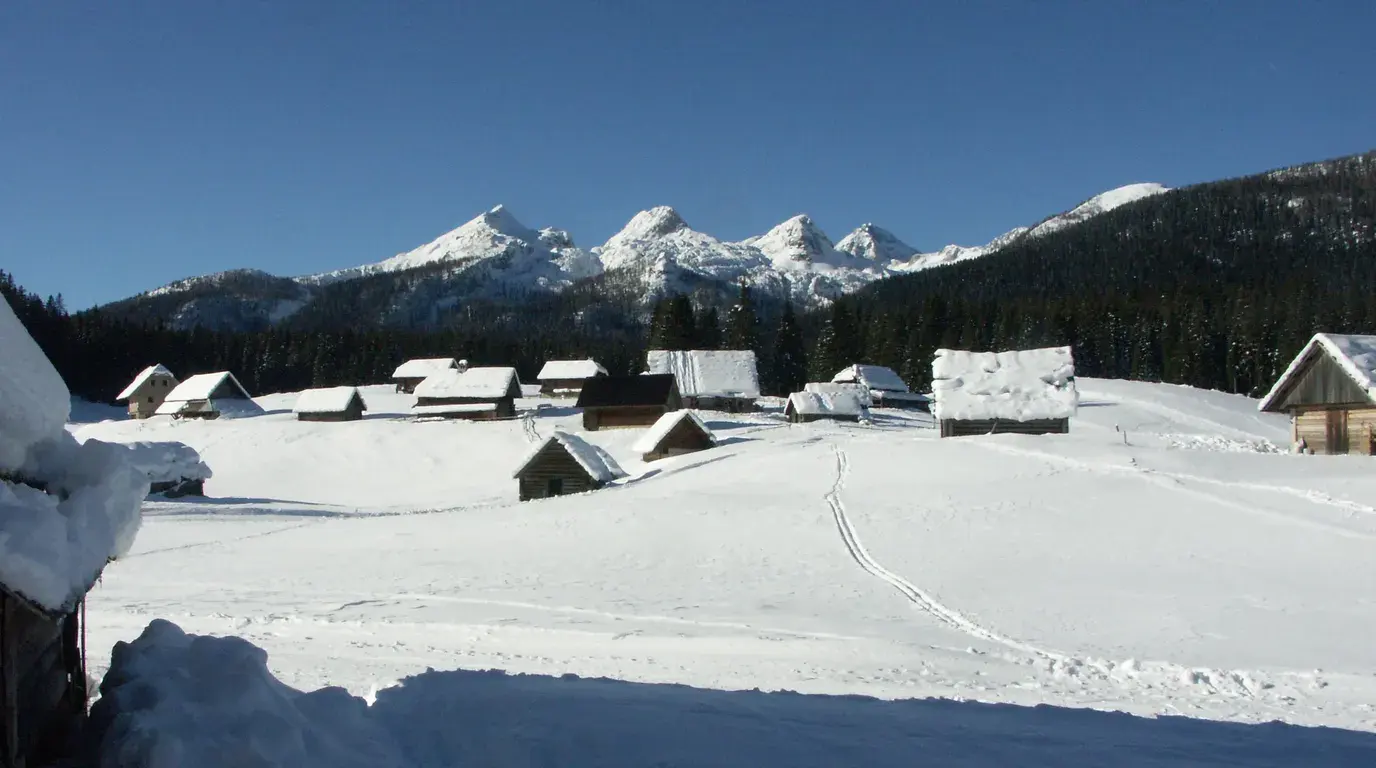
Zermatt is a car-free village beneath the Matterhorn, reached by train, with a ski area that links across the border to Cervinia in Italy and offers high-altitude glacier skiing. Its charm and its constraints come from the same source: very little land, strict Swiss rules on who may buy, and a national limit on new second homes.
The first rule is Lex Koller, the federal law on the acquisition of real estate by persons abroad. A buyer who counts as a person abroad generally needs cantonal authorisation to buy a holiday home, and that authorisation is available only in communes designated for the purpose and within an annual quota the Confederation allocates to each canton. Restrictions on floor area, letting and resale usually come with it.
That regime is tightening. On 15 April 2026 the Federal Council opened a consultation, running to 15 July 2026, on proposals to reduce the cantons' annual quotas for holiday homes and to make every purchase of a holiday home by a person abroad count against the cantonal quota, including purchases from another foreign owner, which do not count today (Federal Council, admin.ch, checked 28 September 2026). Whether and in what form those proposals become law was not settled at the time of writing; ask about their status before you rely on any resale assumption.
The second rule is the constitutional limit on second homes. The Federal Office for Spatial Development states that in communes where second homes already make up more than 20 percent of the housing stock, no new second homes may in principle be approved (ARE, checked 28 September 2026). The effect is a market where scarcity is legislated as much as geographic, and where the right first call is to the commune and a Swiss notary rather than to an agent: whether a specific chalet can be sold to you, and whether its quota is open this year, are questions of fact for them. Our Swiss Alps market dossier sets out the authorisation process step by step.
Getting There
Access shapes how often a chalet is used, and use is what justifies owning one. Courchevel has its own altiport, a short mountain runway for light aircraft and helicopters, with Geneva and Lyon the usual international airports and the last leg by road or helicopter. Aspen has its own regional airport, with Eagle County Regional Airport as the alternative when larger aircraft or weather make it necessary. Zermatt is reached from Zurich or Geneva, with the final stretch by train, since the village is closed to ordinary cars. Our guide to private aviation for property owners covers the costs if you are considering flying yourself in.
The Chalet Nobody Tells You About
The romantic view of chalet ownership underestimates two costs. The first is seasonal maintenance: snow load, freeze-thaw damage, roof and gutter work, plant that must be properly winterised, and a building that needs someone physically present when a pipe fails in deep frost. Full-time or contracted caretaking is not optional at this level; it is a payroll rather than an occasional call-out, and the staff and systems nobody budgets for shows how to price it.
The second is utilisation. A chalet in a premier resort is genuinely usable for only part of the year, and the peak weeks — Christmas, New Year, the February half-terms, Easter — are the ones everybody wants, including any tenant you might take. Owners who intend to let in order to cover costs are letting precisely the weeks they bought the chalet for, and the rental calendar quietly becomes the family calendar. In Switzerland, the terms of a Lex Koller authorisation may also restrict letting.
Ask the question honestly before buying: how many nights will we actually sleep here? If the answer is a few weeks a year, the chalet is an expensive way to guarantee availability. That may still be the right answer, because availability at Christmas in Courchevel is worth something real. But it should be a decision taken with the number in front of you, not a discovery made in the third season.
Before You Buy
- Confirm in writing that you may lawfully buy this specific chalet, and in Switzerland that authorisation and quota are available
- Establish whether letting is permitted, and on what terms
- Model the tax on an eventual sale in that country and in your own
- Price a full year of caretaking, snow clearance, insurance and utilities
- Count the nights you will realistically use it
Buy for the seasons you will actually ski. Alpine values can soften, foreign-ownership rules can tighten, and a chalet sits empty much of the year — treat it as a lifestyle asset, not a guaranteed appreciator. The cheapest test is to rent first: in the French Alps, holiday-rental platforms such as Abritel list chalets for a week or a season, which tells you more about a resort, a village and a layout than any viewing. If you do buy, a 3D planning tool such as Coohom helps you plan a fit-out that will survive years of boots and firelight.
General information only. This article explains how buying in these three markets generally works. It is not legal, tax or investment advice; ownership rules, quotas and tax rates change, so confirm them at the sources listed below and with a notary or lawyer in the country concerned before acting.
Frequently asked questions
Can foreigners buy property in Zermatt?
Only with authorisation. Under Lex Koller a person abroad generally needs cantonal authorisation to buy a holiday home, available only in designated communes and within the canton's annual quota, usually with limits on floor area, letting and resale. A consultation on cutting those quotas ran from 15 April to 15 July 2026; check its outcome before relying on a resale.
Can a foreigner buy a chalet in Courchevel?
Yes. France places no nationality restriction on buying a home. The rules that matter are tax ones: capital gains on a second home are taxed at 19 percent income tax plus 17.2 percent social charges, reduced each year you own it, with full exemption after 22 years for income tax and 30 years for social charges.
What tax does a foreign owner pay when selling in Aspen?
US capital gains tax, and under FIRPTA the buyer must generally withhold 15 percent of the amount realised on the sale by a foreign seller. US estate tax can also reach US property held by non-residents, which is why the ownership structure needs a US tax adviser before you buy.
What does it cost to run a ski chalet?
More than the purchase suggests. Budget for caretaking, snow clearance, roof and freeze-thaw repairs, winterised plant, insurance and utilities for the full year, not just the weeks you ski. At the top of the market caretaking is a payroll, not an occasional call-out.
Should you rent a chalet before buying one?
It is the cheapest test there is. A week or a season in the same village, ideally in and out of peak weeks, tells you more about the resort, the access and the layout that suits you than any viewing, and it answers the question that decides the purchase: how many nights you will really use it.