How a purchase works
An Italian sale usually runs in two stages. The compromesso (preliminary contract) is the agreement by which seller and buyer commit to completing the sale; the notaries' council stresses that registering the preliminary contract in the property registers is what gives the buyer full and effective protection if something goes wrong before completion. The notary then draws up and executes the final deed, the rogito (Consiglio Nazionale del Notariato). You will need an Italian tax code before signing.
Italian law historically ties a foreigner's right to buy to reciprocity with their own country. We could not read an official source confirming how that applies today, so ask the notary to confirm your position at the outset.
What it costs to buy
Buying from a private seller, the buyer pays registration tax of 9% (minimum €1,000) plus fixed mortgage and cadastral taxes of €50 each; a qualifying first home pays 2% instead (Agenzia delle Entrate, taxes on buying a home; prima casa). Under the prezzo-valore rule, which the buyer requests at the deed, the tax is charged on the property's cadastral value — its cadastral income × 1.05 × 120 — rather than on the price paid, which for many older houses produces a much lower base. Buying from a VAT-registered company is different: VAT at 10% or 22% plus fixed taxes of €200 each.
What it costs to hold
A second home pays the municipal property tax IMU, with a base rate of 0.86% that each council may move between 0% and 1.06% (1.14% in some cases); luxury-category main homes (cadastral categories A/1, A/8 and A/9) pay 0.5% with a €200 deduction (Ministry of Economy and Finance, IMU rates). Find the rate the specific comune has adopted before you buy.
Selling
A seller of property held for five years or less can ask the notary to apply a 26% substitute tax to the gain instead of ordinary income tax (Agenzia delle Entrate, capital gains on property). Whether a longer-held second home escapes Italian tax on the gain entirely, and what your own country does with it, are questions for your adviser.
Moving to Italy
There is no residence route through property. For wealthy people who do move, Italy's regime for new residents (article 24-bis of the income tax code) replaces tax on foreign income with a flat annual sum: €300,000 for those moving from 1 January 2026 (it was €100,000 until August 2024, then €200,000), plus €50,000 for each family member included. It requires non-residence in nine of the previous ten years and lasts up to fifteen years (Agenzia delle Entrate, new residents regime).
Old houses, new plans
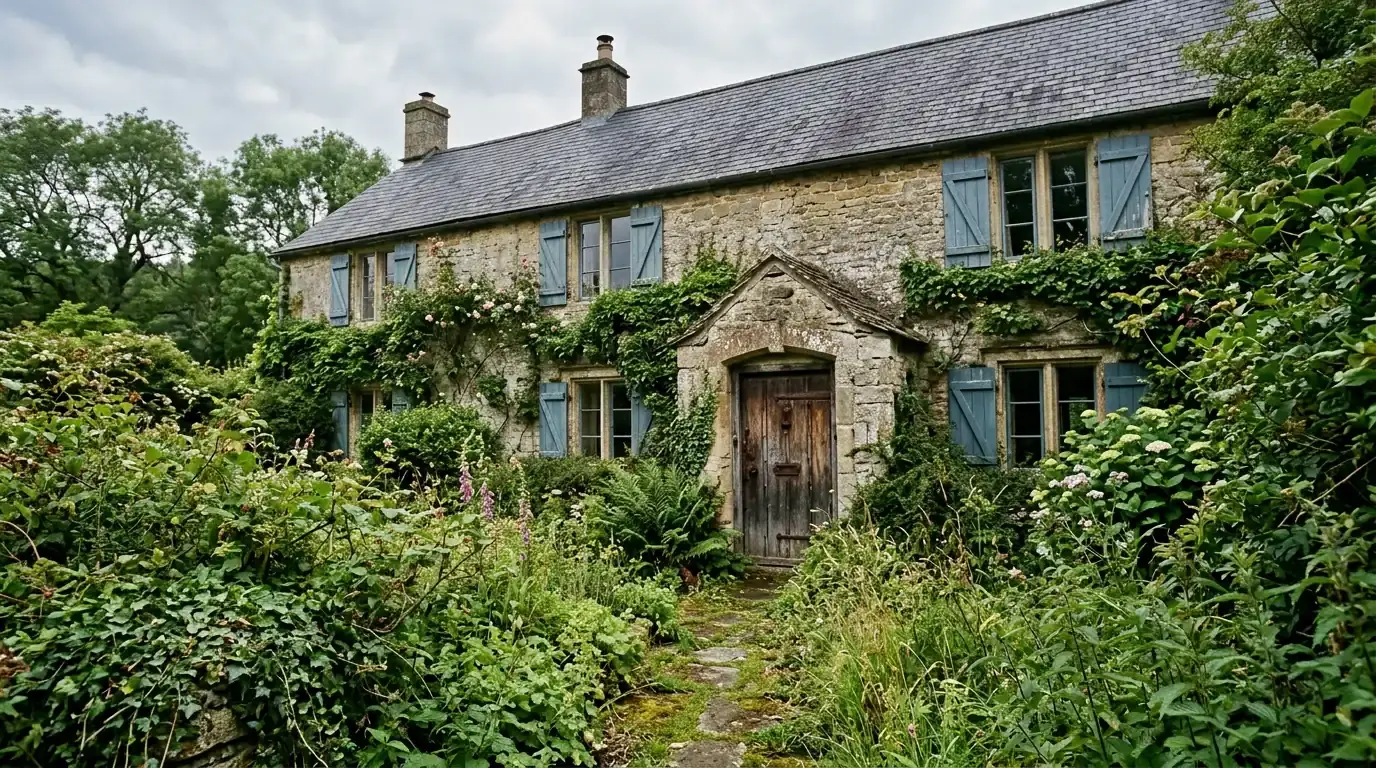
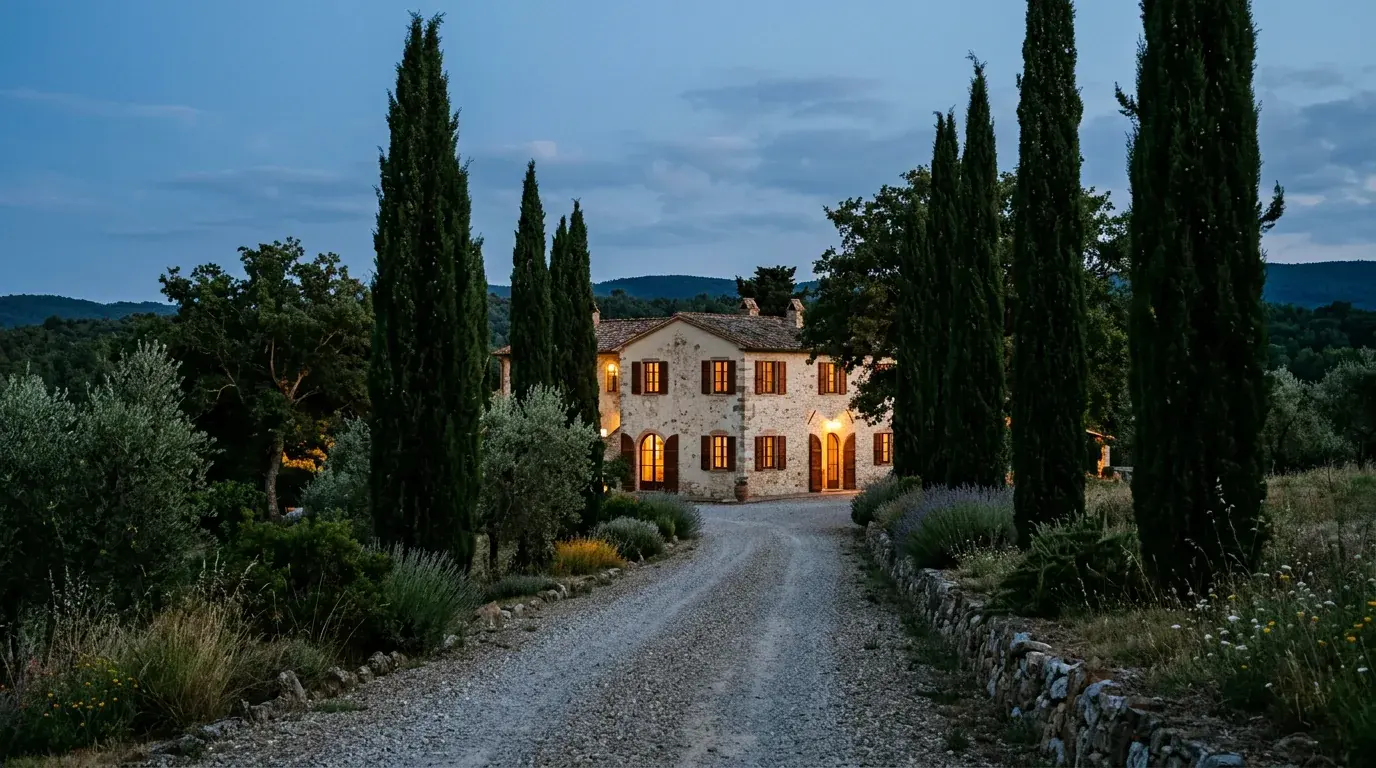
Much of what is for sale around the lake and in the Tuscan hills is old, and a restoration is often the real project. Before committing, draw the house as it is and as you want it — room by room — so the architect, the geometra and the builder are all quoting on the same plan.