What Billionaires' Row Is
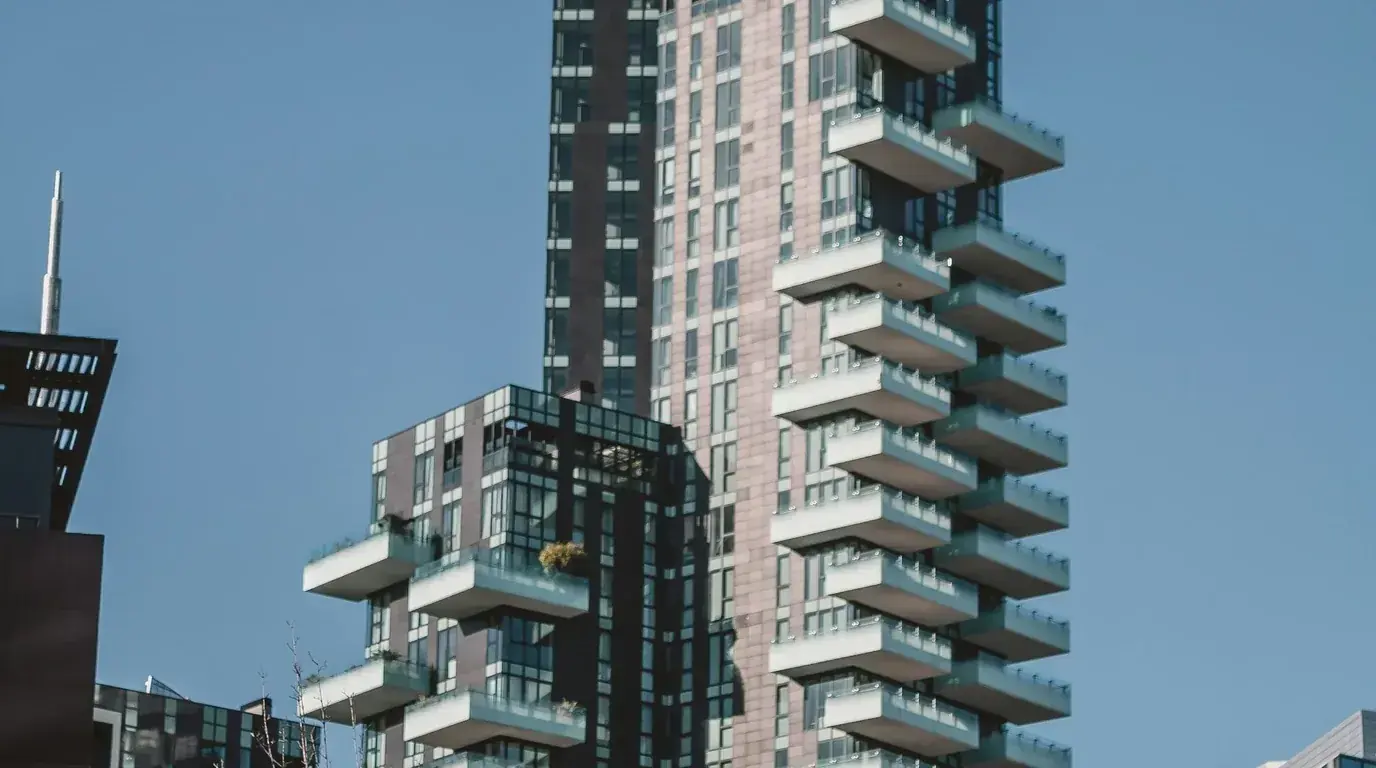
Billionaires' Row is the informal name for the cluster of very tall, very slender residential towers around West 57th Street and the southern edge of Central Park. The best known include 220 Central Park South, 432 Park Avenue, Central Park Tower, 111 West 57th Street (the Steinway Tower) and One57. Most were completed within the last decade or so, and together they created a new product for the city: full-floor and multi-floor apartments hundreds of metres above the street, with park views in one direction and the skyline in the other.
The towers differ more than the nickname suggests. 220 Central Park South, developed by Vornado Realty Trust and designed by Robert A.M. Stern Architects, uses a limestone-clad, traditional architectural language and has been the setting for some of the most widely reported residential sales in the United States. Central Park Tower, developed by Extell with Adrian Smith + Gordon Gill Architecture, and 432 Park Avenue represent the opposite approach: glass, height and extensive amenity floors. Which of those you prefer is a matter of taste; how each building is run, maintained and financed is a matter of diligence.
Beyond 57th Street
Tribeca draws buyers who prefer loft-scale space and a quieter profile, in buildings such as 56 Leonard Street and 443 Greenwich Street. The Upper East Side, along Fifth and Park Avenues, remains the home of the classic pre-war co-operative and of newer condominiums such as 520 Park Avenue, developed by Zeckendorf and designed by Robert A.M. Stern. Hudson Yards offers a newer, more commercial setting, with residences at 35 Hudson Yards and 15 Hudson Yards, the latter designed by Diller Scofidio + Renfro with Rockwell Group.
There are no official statistics on who buys at the very top of this market, and brokers' descriptions of the buyer mix are anecdotal. What can be said with confidence is that the pool of buyers for any single penthouse is small, which is why resale timing and building quality matter as much as the view.
Condominium or Co-operative: The Decision Before the Building
New York's most consequential ownership distinction has nothing to do with the view. A condominium is real property: you own your unit, you may generally sell, let and finance it as you wish, and a foreign buyer or a trust can hold it without asking permission. A co-operative is shares in a corporation with a proprietary lease attached, and the board decides who may buy, frequently interviews applicants, commonly restricts subletting and financing, and is under no obligation to explain a rejection.
This is why the classic Fifth and Park Avenue buildings and the new supertall towers attract different buyers. Most international purchasers, most trust and corporate structures, and most people who value privacy over pedigree end up in condominiums by process of elimination. Where a co-operative genuinely is the target, budget for a board package requiring personal and financial disclosure well beyond anything a condominium asks, and expect liquid post-closing reserves to be tested rather than taken on trust.
Transfer Taxes: What the State Publishes
New York State's Department of Taxation and Finance publishes the state-level charges on a sale. The seller pays the base real estate transfer tax at $2 for each $500 of consideration. The buyer pays the 1 percent additional tax, commonly called the mansion tax, on residences where the consideration is $1 million or more. In New York City, residential conveyances of $3 million or more carry an additional base tax of $1.25 for each $500, paid by the seller, and residential conveyances of $2 million or more carry a supplemental tax at an incremental rate between 0.25 percent and 2.9 percent according to price, paid by the buyer (New York State Department of Taxation and Finance, checked 28 September 2026).
New York City also levies its own real property transfer tax, administered by the city's Department of Finance, and a mortgage recording tax applies where the purchase is financed. The combined bill therefore depends on the price, who pays what under the contract, and whether there is a loan — ask your attorney for a closing-cost statement built from the current schedules rather than working from a rule of thumb. How transfer taxes compare across the markets we cover is set out in stamp duty and transfer taxes explained, and our New York City market dossier collects the mansion tax, transfer taxes and FIRPTA rules for a Manhattan purchase in one place.
The Carry: Common Charges, Taxes and Abatements
The purchase price is a poor guide to the cost of holding a Manhattan penthouse. Monthly common charges in a full-service supertall reflect staffing, plant and amenity space that is large relative to the number of units, and they tend to rise over time rather than holding. Real property taxes are assessed by the city on a methodology that has been contested for years, and some buildings carry time-limited abatements that step down and eventually expire, so a carrying cost that looks manageable at purchase can change materially inside a decade.
Ask specifically for the abatement schedule, the assessment history, the building's reserve fund, and any capital assessment already contemplated by the board. Then read the last two years of board or committee minutes, which is where facade work, mechanical failures and litigation appear long before they reach a broker's summary. Our guide to what a trophy property costs per year sets out the full list.
The Extra Layer for Foreign Buyers
For non-US buyers there is a further layer that is easy to overlook and expensive to discover late. Under the Foreign Investment in Real Property Tax Act, when a foreign person disposes of a US real property interest the buyer must generally withhold 15 percent of the amount realised — broadly, the gross sale price — whether or not the seller made a gain; the rate was 10 percent for dispositions before 17 February 2016 (IRS, checked 28 September 2026). Reduced withholding can be applied for in some circumstances, but the default is a large sum held back at closing.
US federal estate tax can also reach US-situated assets held by non-resident non-citizens: the IRS requires an estate tax return where the fair market value at death of those US assets exceeds $60,000 (IRS, checked 28 September 2026) — a far lower figure than the exemption available to citizens — and New York levies its own estate tax as well. Treaties can change the position for some nationalities. None of this is a reason not to buy. All of it is a reason to have the holding structure designed by a US tax adviser before contract, because it is considerably harder and costlier to repair afterwards. Our guide to inheritance tax on property abroad explains why.
The Case Against the Tower
Supertall living carries trade-offs the marketing does not dwell on. Very tall, very slender buildings move in wind, and while the engineering is sound, the sensation and the accompanying sound are not to every taste. Amenity-heavy towers carry amenity-heavy charges whether you swim or not. And a building where a large share of units were bought by investors rather than residents can feel empty, let poorly, and produce a resale market in which your neighbours are your direct competition.
Visit on a windy evening rather than a still afternoon, ask what proportion of units are owner-occupied, and read the minutes before you fall for the view. Why a thin buyer pool can leave even a famous address on the market for a long time is the subject of why trophy properties sit unsold for years.
Before You Sign
- Condominium or co-operative, and what that means for letting, financing and resale
- A closing-cost statement built from the current state and city transfer tax schedules
- The abatement schedule, assessment history and reserve fund
- Two years of board minutes and any contemplated capital assessment
- For foreign buyers, a written US tax plan covering FIRPTA and estate tax before contract
A barometer, not a bond. The top of the Manhattan market moves with global confidence: values can retreat as sharply as they climb, and resale at this level is thin. When it comes to the interiors, a 3D planning tool such as Coohom lets you and your designer stage a layout on screen before a single wall is touched.
General information only. This article explains how buying in New York generally works. It is not legal, tax or investment advice; tax rates and thresholds change, so confirm them at the sources listed below and with a New York real estate attorney and a US tax adviser before acting.
Frequently asked questions
What is Billionaires' Row in New York?
The informal name for the cluster of very tall, very slender residential towers around West 57th Street and the southern edge of Central Park. Most were completed within roughly the last decade and introduced full-floor and multi-floor apartments hundreds of metres above the street.
Which buildings are on Billionaires' Row?
The best known are 220 Central Park South, 432 Park Avenue, Central Park Tower, 111 West 57th Street (the Steinway Tower) and One57. They range from the limestone-clad 220 Central Park South to the glass supertalls with extensive amenity floors.
Condo or co-op: which suits a penthouse buyer from abroad?
Usually a condominium. A condo is real property that you may generally sell, let and finance as you wish, and a foreign buyer or a trust can hold it without permission. A co-op is shares in a corporation whose board approves buyers, often restricts subletting and financing, and need not explain a rejection.
What transfer taxes apply to a Manhattan penthouse purchase?
At state level the buyer pays the 1 percent mansion tax on residences of $1 million or more and, in New York City, a supplemental tax of 0.25 to 2.9 percent on residences of $2 million or more; the seller pays the base transfer tax and an additional base tax from $3 million. The city's own transfer tax and a mortgage recording tax can apply on top.
What is FIRPTA withholding for foreign sellers?
When a foreign person sells US real property, the buyer must generally withhold 15 percent of the amount realised, broadly the gross sale price, whether or not there was a gain. Reduced withholding can be applied for in some circumstances, but the default is a large sum held back at closing.